
Blog & Articles
Solution-focused insights on education, wellbeing, and life challenges — for parents, carers, educators and other professionals
New: Digital Health series
Practical guides on online safety, screen time and digital wellbeing — for families and schools.

Online Safety Without Fear
Young people today live seamlessly across online and offline worlds. Their friendships, learning, entertainment, identity and creativity all flow through digital spaces. This brings huge opportunities — connection, community, self‑expression — but also challenges that can feel overwhelming without the right support. Online safety isn’t about fear, restriction or shutting down access. It’s about confidence, awareness, and practical habits that help young people stay secure while enjoying everything the digital world offers. This blog explores what online safety really means, why it matters, and how families, schools and communities can support young people to navigate digital spaces with calm, clarity and agency.
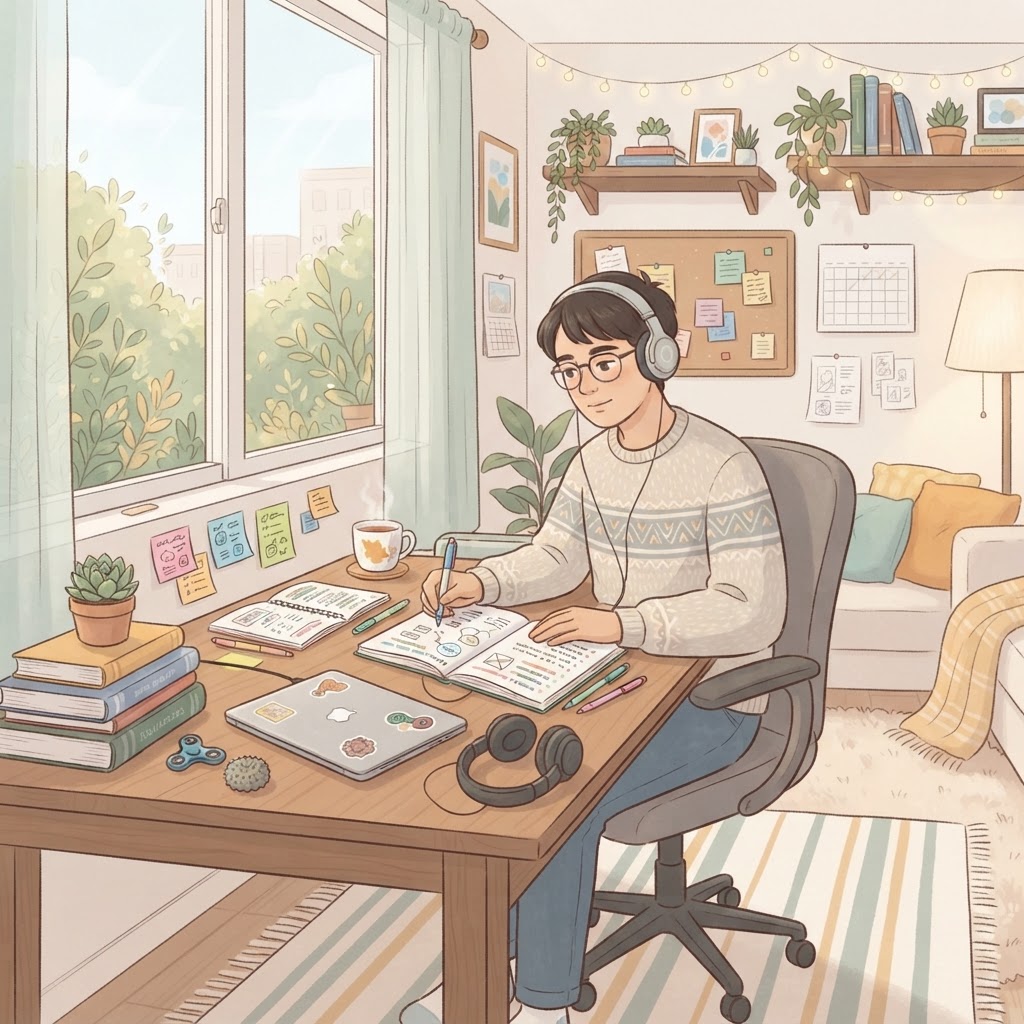
🌱 Neurodivergent Study Routines: Designing Learning That Works for You
Students learn in varied and complex ways. Differences in attention, sensory processing, working memory, motivation, and executive function shape how each person approaches study. For neurodivergent students—whether an autistic student, a student with ADHD, dyslexia, dyspraxia, Tourette’s, OCD, or anxiety—these differences are not obstacles to overcome but realities to work with. This guide offers practical, flexible strategies for building study routines that align with your cognitive profile and support sustainable learning.

Missed Your A‑Level Grades? A Shared Guide to UCAS Clearing 2026
When a young person misses their A‑level grades, it can feel like the ground shifts beneath them. But Clearing is a structured, well‑established pathway designed precisely for this moment. Every year, tens of thousands of students secure excellent university places through Clearing. This guide helps families, educators, and communities support young people with calm, informed steps that protect wellbeing and open doors.
Advertisement

Supporting Children and Young People Through Global Anxiety
Across the world, children and young people are growing up in a landscape shaped by rolling news cycles, social media updates, and a constant stream of global events. Wars, wildfires, earthquakes, floods — these crises are no longer distant abstractions. They arrive instantly on a screen, often without context, and often without the emotional scaffolding young people need to make sense of what they’re seeing. For many, this exposure creates a quiet but persistent anxiety: Could this happen here? Are we safe? Why do these things keep happening? This article explores why these anxieties arise, how they manifest, and how adults can offer grounded, compassionate support.

Neurodivergent Students at University
University can be an extraordinary opportunity for neurodivergent students, offering intellectual freedom, new communities, and space to explore identity. It can also present challenges: unfamiliar systems, inconsistent routines, sensory demands, and hidden expectations. This article brings together research‑informed guidance to help neurodivergent students navigate university life with clarity, confidence, and support.

The First 90 Days at University
The first term at university is a period of profound transition. Students are navigating new academic expectations, new social environments, new routines, and often a new sense of independence. The first 90 days do not determine the entire university experience, but they do set patterns that shape confidence, wellbeing, and academic momentum. This guide offers a structured, evidence‑informed approach to settling in and thriving during this crucial period.

Choosing a Course
Choosing a university course is one of the first major decisions many young people make. It often arrives at a moment when identity is still forming, confidence is uneven, and the future feels both exciting and intimidating. This article offers a structured, evidence‑informed way to approach the decision without overwhelm, pressure, or the myth that there is a single “perfect” choice.

The Hidden Curriculum of University
The hidden curriculum refers to the unwritten rules, norms, expectations, and cultural codes that shape academic life but are rarely taught explicitly. For many students—especially first‑generation, care‑experienced, or neurodivergent learners—these invisible expectations can make university feel confusing, overwhelming, or exclusionary. Making the hidden curriculum visible is one of the most powerful ways to support a successful transition.
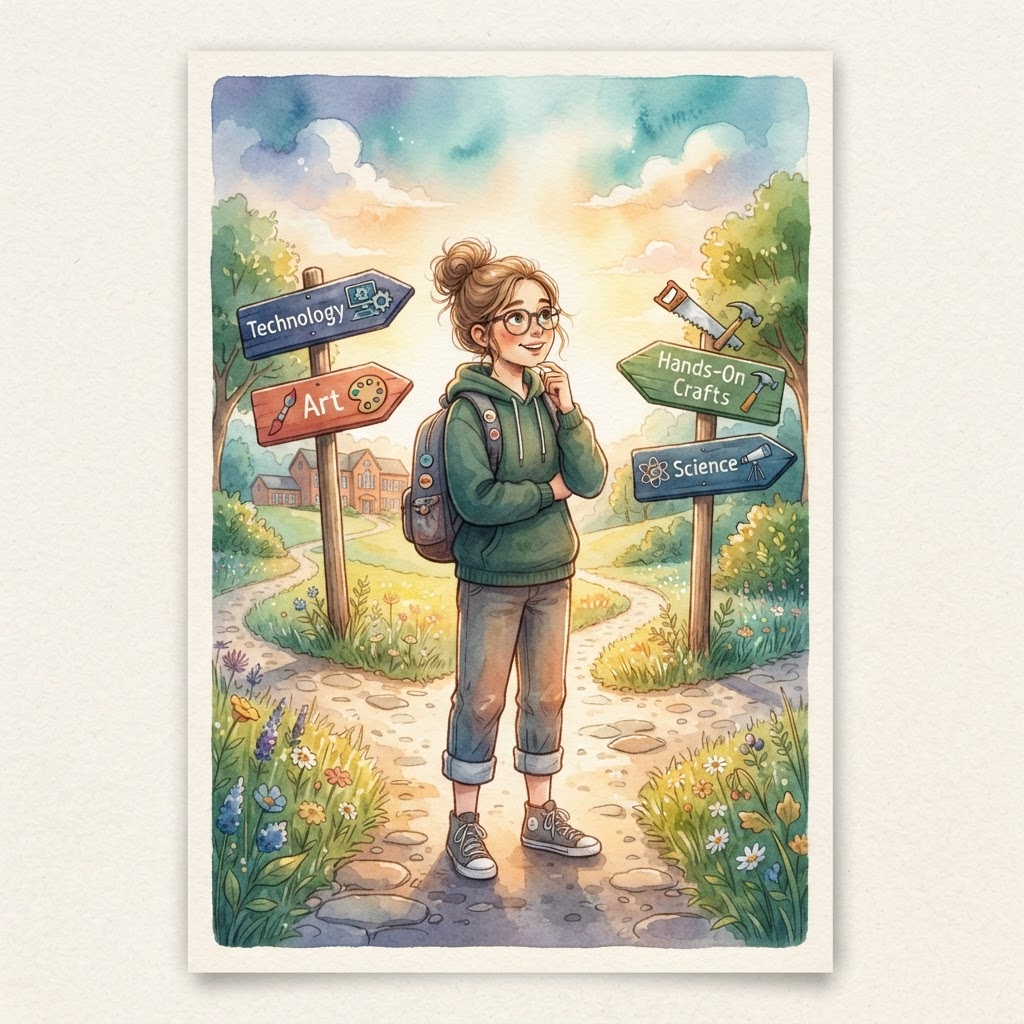
Career Planning for Neurodivergent Students: Finding the Right Path After GCSEs
For autistic or ADHD students, the step after GCSEs can feel significant. Not because they lack ability or ambition, but because their strengths, sensory needs, and thinking styles often require a more tailored approach than standard guidance can realistically provide. This isn’t a criticism of school careers teams. Their role is demanding, time‑limited, and often stretched across large cohorts. Instead, it’s an acknowledgement that neurodivergent young people sometimes need an additional layer of nuance — one that focuses on how they think, what energises them, and the environments where they thrive. This article offers a strengths‑based framework to support that process.

Didn’t Get the GCSE Grades? A Parent’s Guide to Post‑16 Options and Resits in the UK
Results Day can feel seismic. For many families, mid‑August arrives with a mix of hope, fear, and the quiet dread of what if…? When a child doesn’t get the GCSE grades they expected, the emotional impact often lands before the practical questions. Parents worry about futures, pathways, and whether this moment defines their child’s life. It doesn’t. This guide offers a calm, non‑judgmental roadmap for parents navigating GCSE disappointment in 2026. It blends practical post‑16 options with the emotional realities young people face — because “failure” is rarely about grades alone.

GCSE Choices Without Panic: A Calm Guide for Families and Teens
Choosing GCSEs can feel like a high‑stakes moment, but it does not need to become a source of anxiety. These decisions matter, yet they are not irreversible, and they certainly do not define a young person’s entire future. GCSEs are simply the next step in a much longer journey of growth, identity formation, and exploration. This guide offers a grounded, reassuring approach to making thoughtful choices without panic.
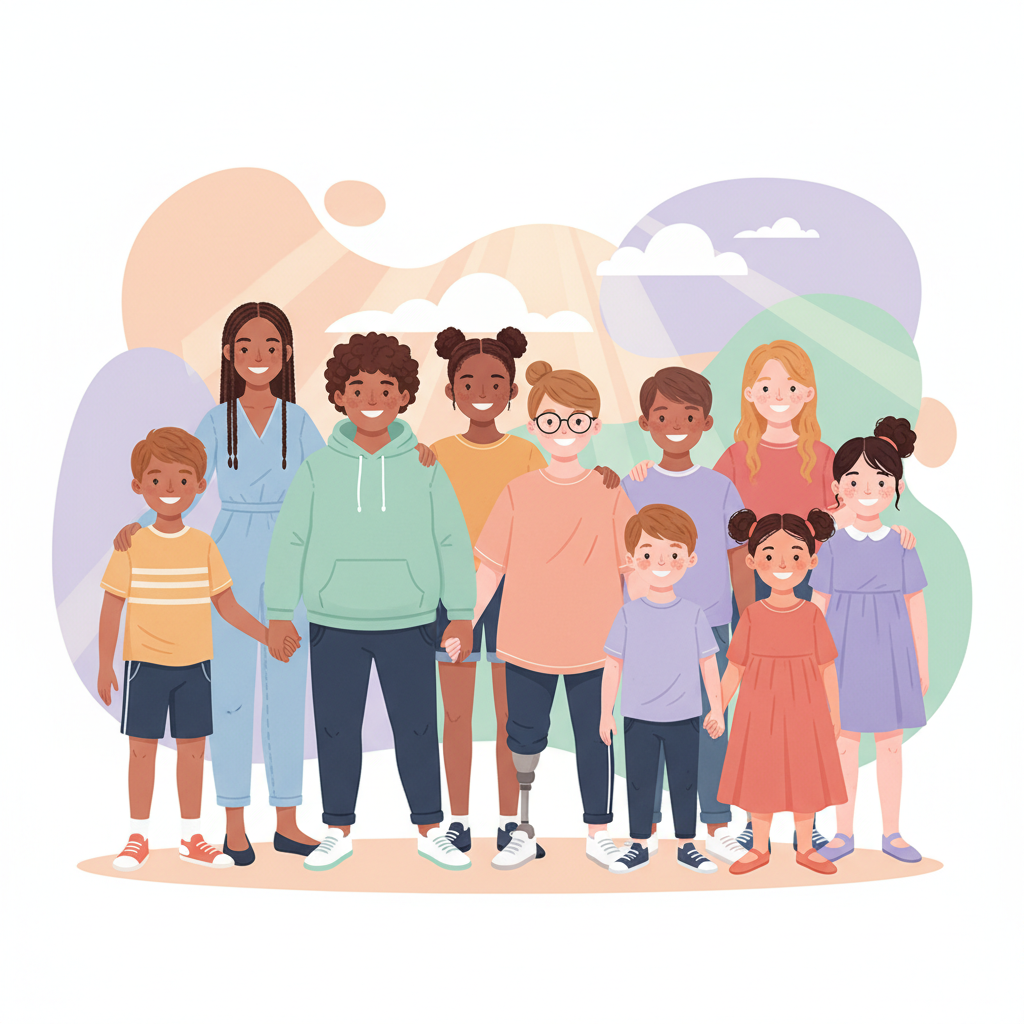
Body Image Pressures on Children and Young People: Understanding the Impact and How We Can Help
Body image pressures have never been more intense for children and young people. What used to come from magazines or peer comparison now comes from every direction — social media, filters, influencers, gym culture, advertising, and even well‑meaning adults. These pressures affect boys, girls, and non‑binary young people alike, shaping how they see themselves and how they feel in their own skin. This blog explores the realities young people face today, the impact on their wellbeing, and how families, schools, and communities can support healthier, more compassionate relationships with body image.

Reconnecting when your teen pulls away
This article explores why teenagers sometimes become emotionally distant and how parents can reconnect without creating more pressure. It explains that pulling away is often a normal part of development rather than a sign of rejection. The blog outlines how attempts to force conversation or increase intensity can backfire, and instead recommends a calmer, more consistent approach—focusing on presence, low‑pressure interaction, and patience. Overall, the key message is that reconnection happens gradually when teenagers feel safe, not pressured, and when parents remain steady and available over time.

Building trust with teenagers
This blog explains how trust is built and maintained between parents and teenagers, particularly during a stage where independence is increasing. It highlights that trust is less about perfect behaviour and more about consistency, reliability, and respect. The article outlines how trust can be unintentionally damaged through overreaction, inconsistency, or lack of privacy, and how it can be strengthened through predictable responses, respecting autonomy, and handling conversations carefully. Overall, the key message is that trust develops gradually through everyday interactions and plays a crucial role in keeping communication open and manageable.

The active listening skills every parent needs
This article explains how parents can improve communication with their teenagers by developing strong active listening skills. It highlights the difference between simply hearing and genuinely understanding, and shows how poor listening habits—such as interrupting, reacting too quickly, or jumping to solutions—can lead to conflict or withdrawal. The blog outlines practical techniques, including giving full attention, allowing teens to finish speaking, reflecting what is said, acknowledging emotions, and asking open questions. Overall, the key message is that effective listening builds trust, reduces defensiveness, and creates a safer space for teenagers to communicate openly over time.

How to talk to your teen without arguments
This article explains why conversations between parents and teenagers often turn into arguments—and how to prevent that from happening. It highlights that conflict during adolescence is normal, as teens seek independence while parents focus on responsibility and control. The blog shows that arguments usually happen not because of the issue itself, but because of how communication unfolds—particularly when teens feel unheard, blamed, or interrupted. It then offers practical ways to shift the dynamic, including slowing conversations down, listening fully, acknowledging emotions, and using less confrontational language. Overall, the key message is that avoiding arguments is not about eliminating disagreement, but about changing how conversations are handled so they remain calm, respectful, and constructive.
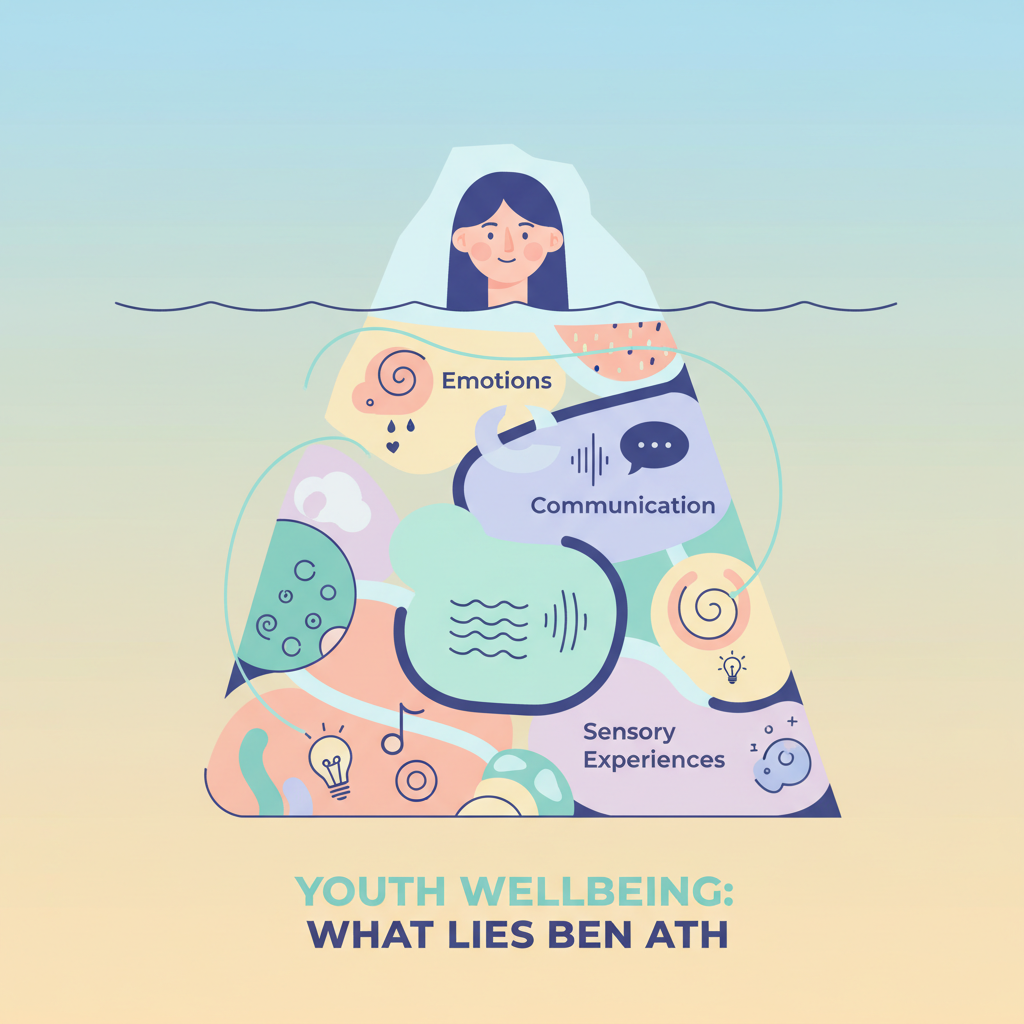
Understanding Behaviour: Looking Beyond What We See
Behaviour is something we notice every day. In school, at home, and in social situations, behaviour is often how we judge what is “going well” or what might need support. But when it comes to young people with special needs, behaviour can sometimes be misunderstood. Rather than asking: “Why is this behaviour happening?” It can be more helpful to ask: “What is this behaviour trying to tell us?” Understanding behaviour in this way is a key step towards supporting young people more effectively.
Navigating Transitions: Why Change Can Be Challenging for Young People with Special Needs
Change is a natural part of life. From moving between lessons to starting a new school, transitions happen every day. For many young people, these changes are manageable—even if they are sometimes uncomfortable. But for young people with special needs, transitions can feel much more challenging. Understanding why this happens is key to providing the right support and creating environments where young people can move through change with confidence.
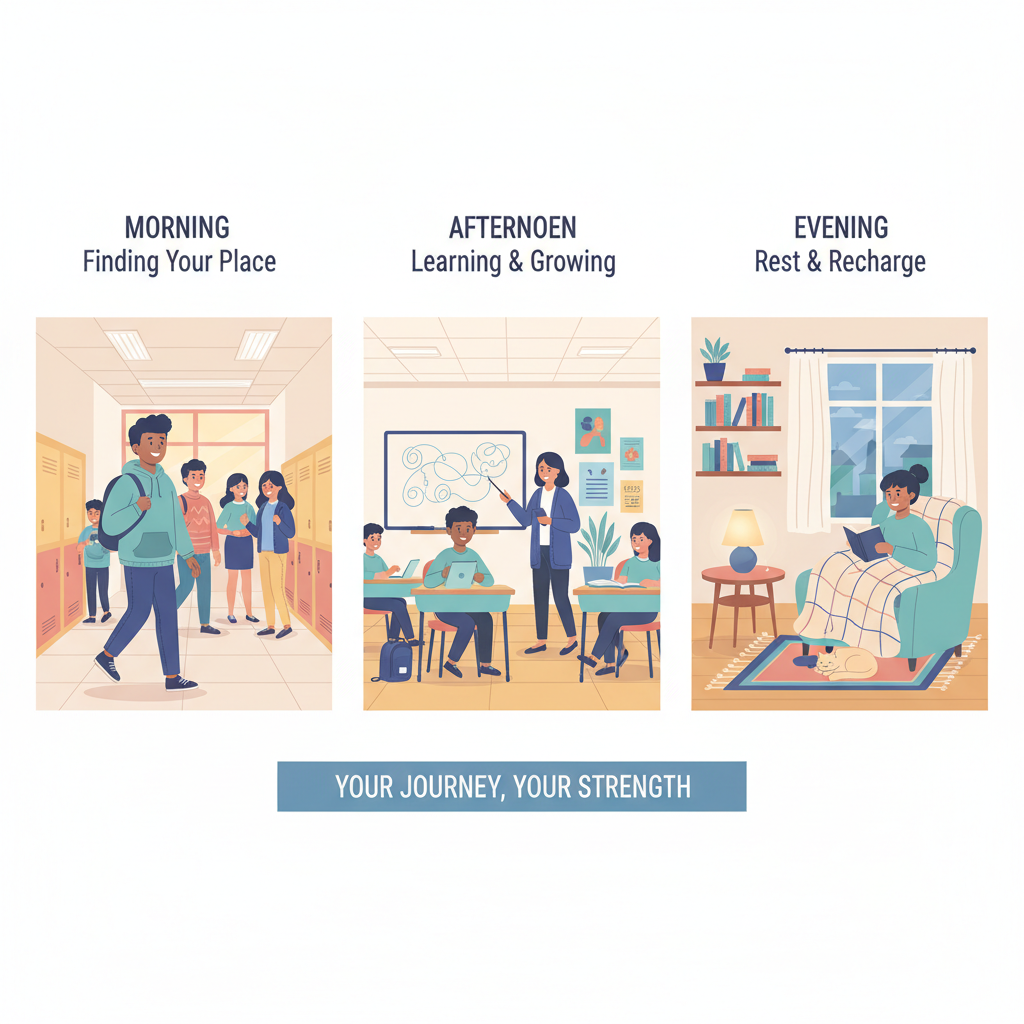
What Does a Typical Day Look Like for a Young Person with Special Needs?
When we think about “a typical day,” we often imagine a routine that feels familiar—waking up, going to school, spending time with friends, and coming home to relax. But for a young person with special needs, a “typical day” can look very different. Not because their life is completely separate, but because everyday environments—school, home, and social spaces—may require more effort, more support, and more adjustment. Understanding what this might feel like is an important step towards empathy, inclusion, and meaningful support.
Understanding Sensory Sensitivities in Young People
We all experience the world through our senses. The sound of music, the brightness of lights, the feel of different textures—these are things most people take in and process without thinking. But for some young people, these everyday sensations can feel very different. This is what we mean by sensory sensitivities. Understanding sensory sensitivities is an important step towards building empathy, improving support, and creating environments where all young people can feel comfortable and included.

Creating an Inclusive Future: The Role of Young People, Schools, and Society
Throughout this series, we have explored what special needs means, the different types that exist, and the myths that can affect understanding. We have also looked at practical ways to support young people in everyday life. This final blog brings everything together with one key idea: Inclusion is not something that happens automatically—it is something we create. Building an inclusive future requires effort from individuals, schools, families, and wider society. Most importantly, it requires young people themselves to be part of that change.
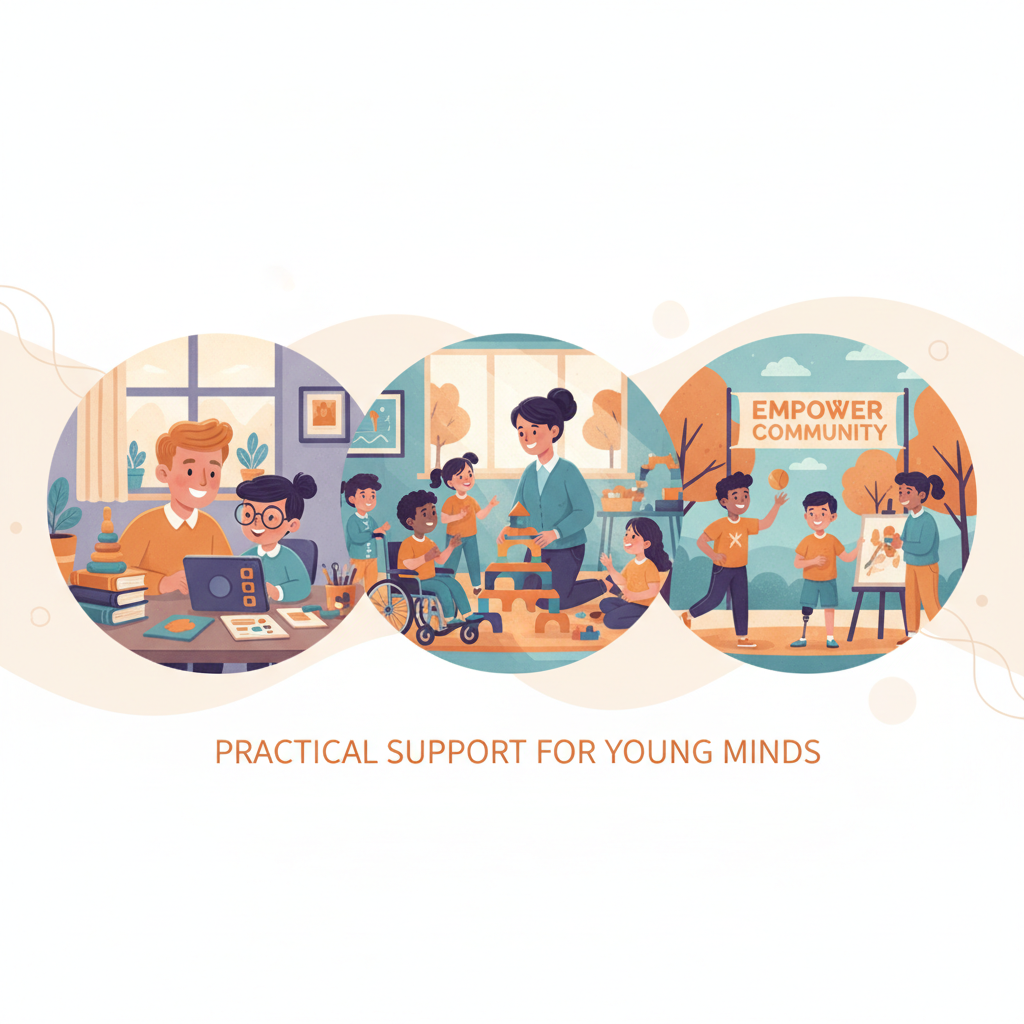
Supporting Young People with Special Needs: Practical Strategies for Everyone
In the previous blogs, we explored what special needs means, the different types that exist, and some of the common myths surrounding them. The next step is to focus on something practical: How can we better support young people with special needs in everyday life? Support is not just the responsibility of one group. It involves families, schools, and communities working together. When this happens effectively, young people are more likely to feel confident, included, and able to reach their potential.
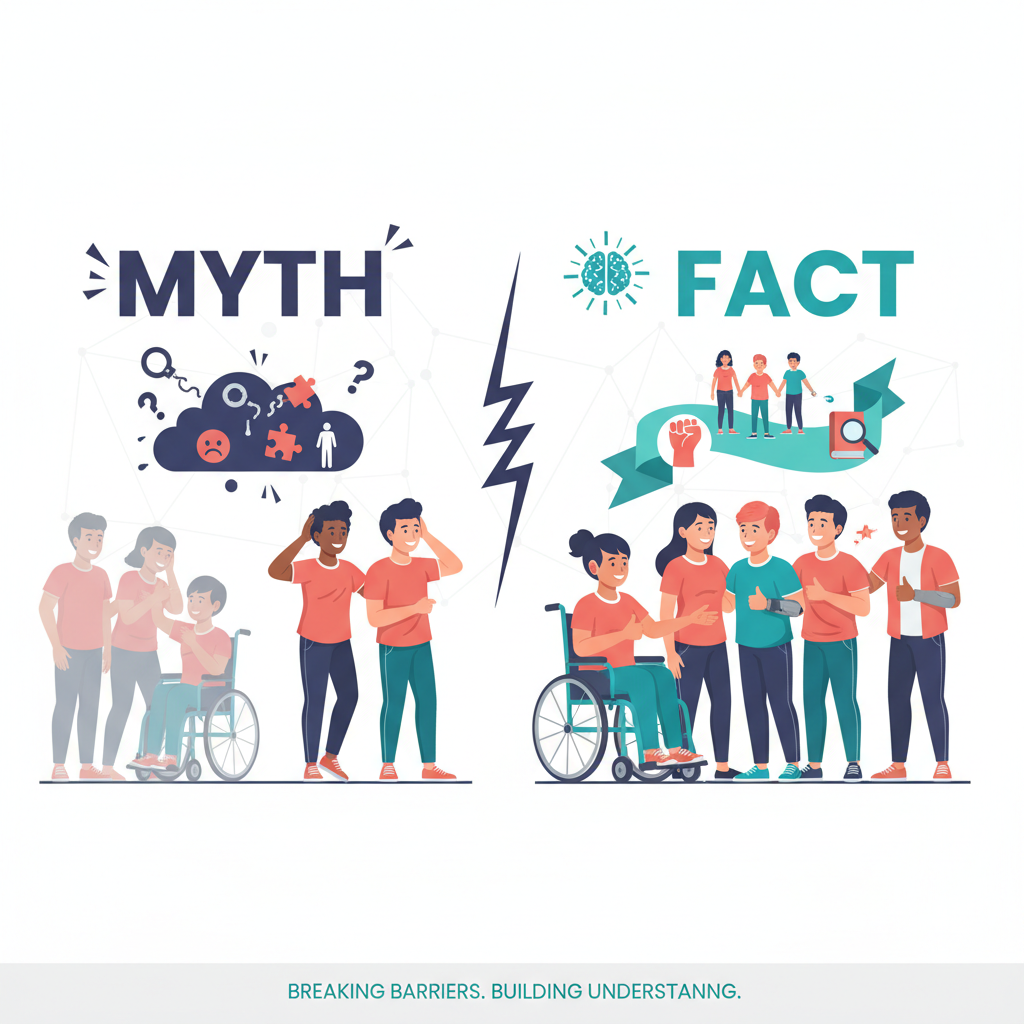
Breaking Myths About Special Needs: What’s True and What’s Not
When talking about special needs, there is still a lot of confusion. Many of the challenges faced by young people with special needs are not caused by their condition itself, but by misunderstandings, assumptions, and stereotypes. These myths can influence how people are treated at school, in friendships, and in everyday life. This blog will explore some of the most common myths—and, importantly, what we can do to challenge them.
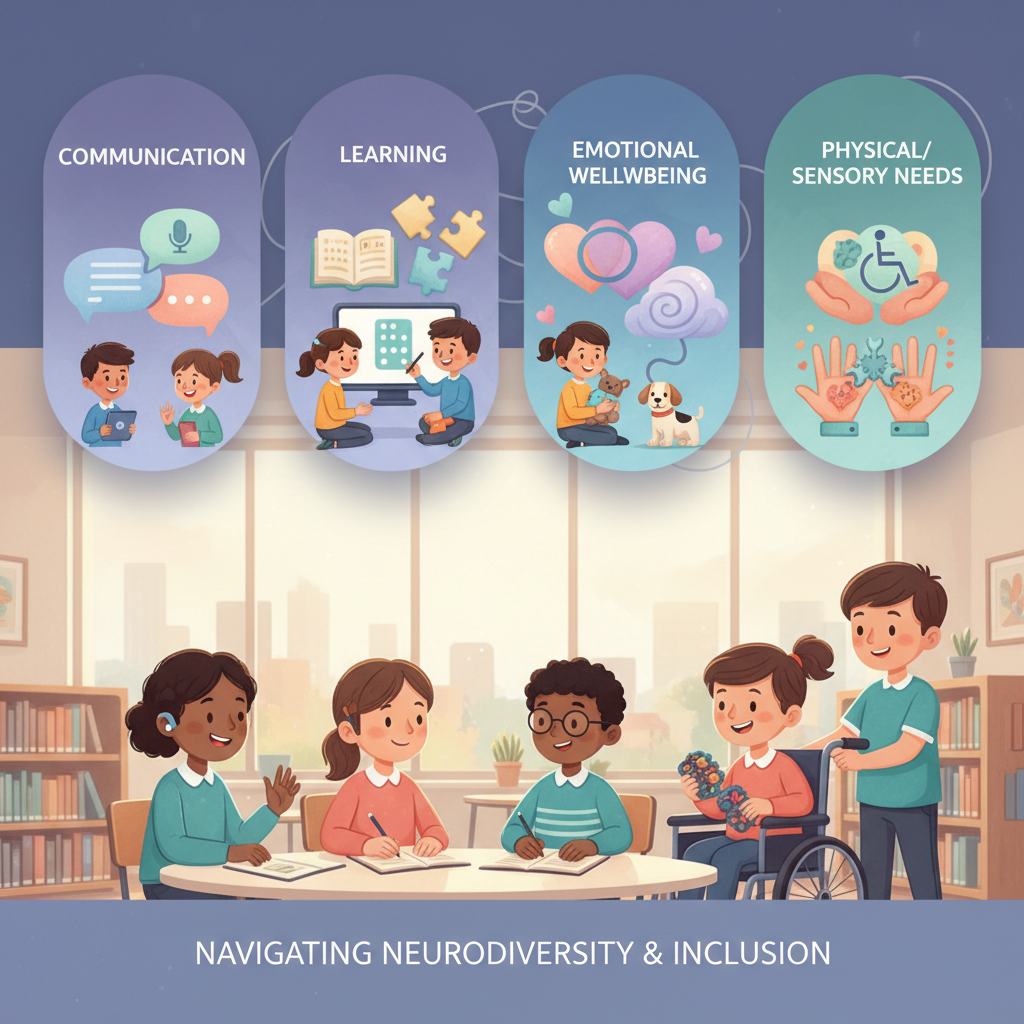
Understanding Different Types of Special Needs
In the previous blog, we explored what the term “special needs” means today and how our understanding is evolving. The next step is to look more closely at what this actually includes. Many people hear the term “special needs” and assume it refers to one specific condition. In reality, it covers a wide range of experiences, and no two individuals are exactly the same. This article introduces some of the most common types of special needs in a clear and accessible way.
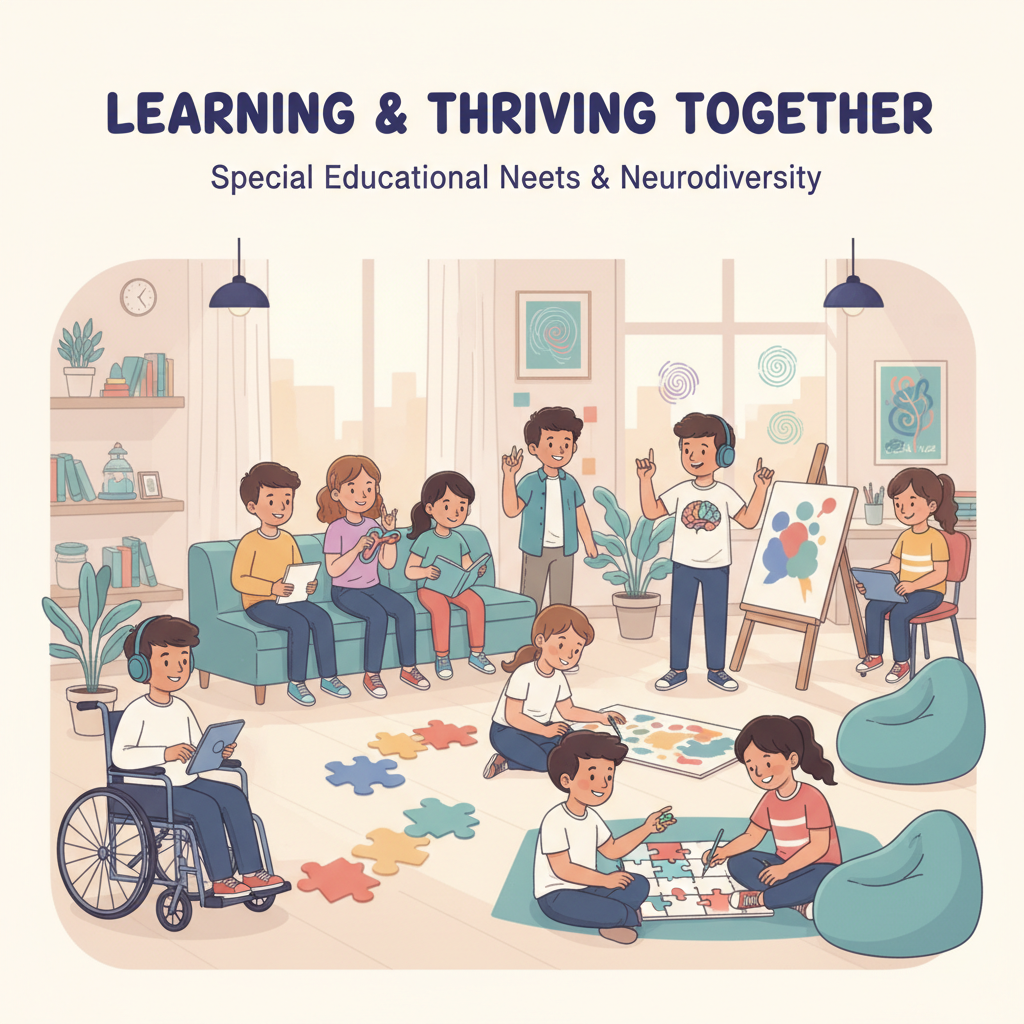
What Does 'Special Needs' Really Mean Today?
When you hear the words “special needs”, what comes to mind? For some, it is a term heard in school or conversations about support. For others, it can feel unclear or even outdated. For many young people, it raises an important question: What does this really mean—and does it still matter? This article explores what the term means today and how our understanding is changing.

Why Yelling at Children Harms Their Development — and What Adults Can Do Instead
Children learn about themselves, others, and the world through the adults who guide them. When those adults yell — whether at home, in school, or in the community — it doesn’t simply “get the message across.” Research shows it can shape a child’s emotional development, behaviour, and long‑term wellbeing in ways we often don’t intend. This article explores why yelling is harmful, what negative traits it reinforces, and the practical, evidence‑informed strategies adults can use instead to support children’s growth.
Helping Children Navigate the Move From Primary to Secondary
The move from primary to secondary school is one of the biggest transitions in a child’s educational journey. It brings excitement, opportunity, and a growing sense of independence — but it can also trigger anxiety, uncertainty, and emotional overwhelm. For many children, this shift represents a major developmental milestone: new buildings, new routines, new teachers, new expectations, and new social dynamics. How adults respond during this period has a profound impact on how children settle, cope, and thrive. This blog explores what makes the transition challenging, what children need, and how parents, schools, and communities can work together to support a smooth, confident start to secondary school.
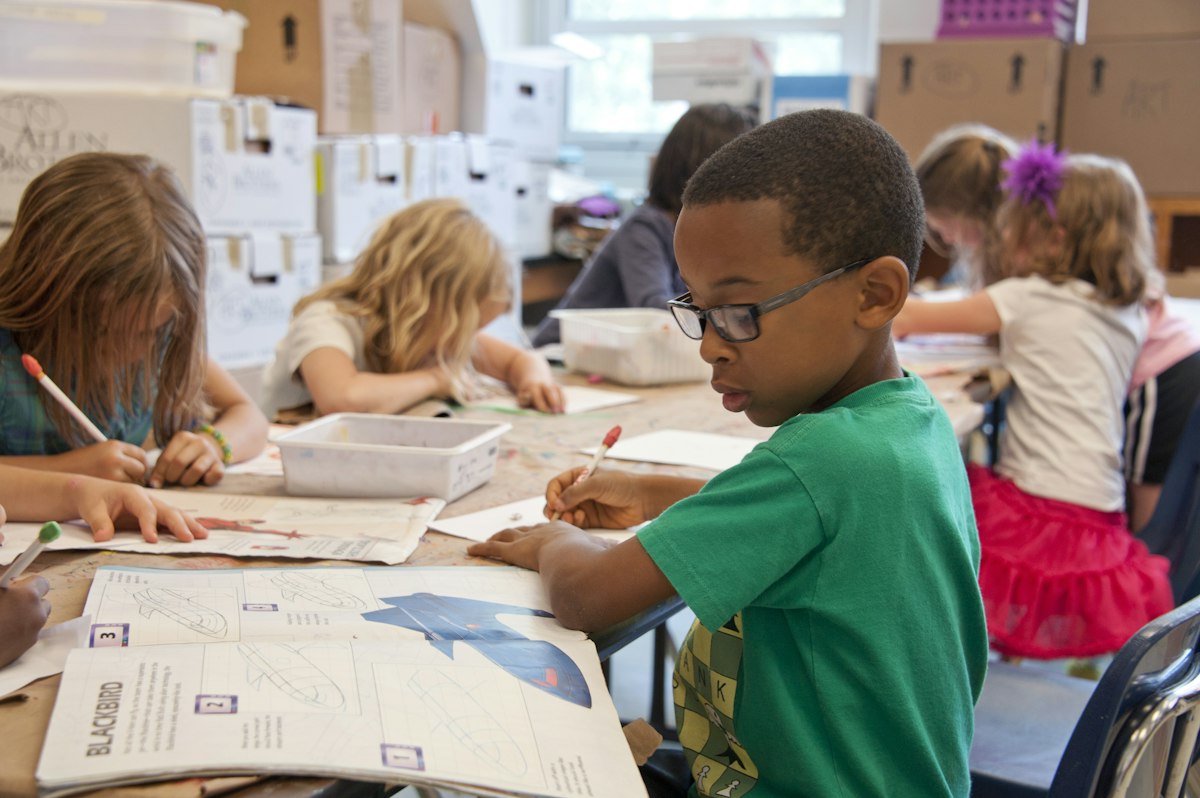
Supporting Neurodivergent Learners During Exams: Creating Conditions Where Every Child Can Thrive
Exam season can be challenging for any young person, but for neurodivergent learners — including those with ADHD, autism, dyslexia, dyspraxia, sensory processing differences, and other profiles — the demands of revision, assessment, and school routines can feel especially overwhelming. These learners often face additional barriers that are not about ability, but about environment, expectations, and the way exams are designed. With the right support, neurodivergent children can approach exams with confidence, calm, and a sense of agency. This blog explores what makes exam season uniquely challenging, and how parents, schools, and communities can work together to create conditions where neurodivergent learners can thrive.

Supporting Children Who Avoid Revision
Avoidance is one of the most misunderstood behaviours during exam season. Adults often interpret it as laziness or lack of motivation, but avoidance is usually a stress response — a way for children to escape feelings of overwhelm, fear, or inadequacy. This blog explores why children avoid revision, what the behaviour really means, and how parents, schools, and communities can support them compassionately and effectively.

How to Talk to Children About Results Safely
Results day can be an emotional rollercoaster for children. Whether the outcome is better, worse, or simply different from what they expected, the way adults respond shapes how children interpret their achievements, their abilities, and their future. This blog explores how to talk to children about results in a way that protects wellbeing, builds resilience, and strengthens relationships.

Helping Children Manage Exam Day Nerves
Exam day nerves are incredibly common. Even confident children can feel shaky, overwhelmed, or panicked when the moment finally arrives. These nerves are not a sign of weakness — they are a natural response to pressure and uncertainty. With the right support, children can learn to manage these feelings and approach exams with calm, clarity, and confidence. This blog explores why exam day nerves happen, what they look like, and how parents, schools, and communities can help children feel grounded and prepared.

Supporting Children Who Catastrophise: Helping Young People Break the “Worst‑Case Scenario” Cycle
Many children experience moments of worry during exam season, but some become trapped in a pattern of catastrophic thinking — imagining the worst possible outcome and believing it is inevitable. Catastrophising can make everyday challenges feel overwhelming and can lead to anxiety, avoidance, and a loss of confidence. This blog explores what catastrophising looks like, why it happens, and how parents, schools, and communities can help children break the cycle and feel more grounded and supported.

Helping Children Face the Fear of Failure with Confidence
Exam season brings a unique kind of pressure for children and young people. While some stress can be motivating, many children experience something deeper and more overwhelming: a fear of failure. This fear can affect confidence, motivation, wellbeing, and even performance. Young people often describe feeling terrified of “letting people down”, “not being good enough”, or “ruining their future”. These fears can feel heavy — but with the right support, children can learn to understand them, manage them, and move forward with confidence. This blog explores why fear of failure happens, how to talk to children about it safely, and what parents, schools, and communities can do to help.

Helping Children Build Emotional Resilience: A Guide for Families, Schools and Communities
Emotional resilience is not about being tough, suppressing feelings, or “just getting on with it”. It is the ability to cope with challenges, recover from setbacks, and keep going when things feel difficult. For children navigating exam pressure, social expectations, and the ups and downs of growing up, resilience is a protective factor that supports both wellbeing and academic success. Crucially, resilience is not an innate trait. It is a set of skills, habits, and relationships that can be nurtured over time — and the adults around children play a central role in helping them develop it. This blog explores what emotional resilience looks like, why it matters, and how parents, schools, and communities can help children build it safely and compassionately.

Recognising Exam Anxiety: Early Signs and How Adults Can Help
Exam anxiety is increasingly common among children and young people. While a certain level of stress can motivate revision and focus, anxiety becomes a concern when it affects wellbeing, behaviour, or daily functioning. Recognising the early signs allows adults to intervene before anxiety escalates into panic, avoidance, or longer‑term mental health difficulties. This blog outlines what exam anxiety looks like, why it happens, and how parents, schools, and communities can work together to support children safely and effectively.
Supporting Children through Exam Stress: A Guide for Families, Schools and Communities
Exam season can be one of the most emotionally demanding periods in a child’s school journey. For many young people, the pressure to perform, manage revision, and meet expectations can trigger anxiety, self‑doubt, and exhaustion. These feelings are not only common — they are normal. What matters most is how the adults around them respond. This blog explores what exam stress looks like, why it happens, and — most importantly — how parents, schools, and communities can work together to support children safely and compassionately.
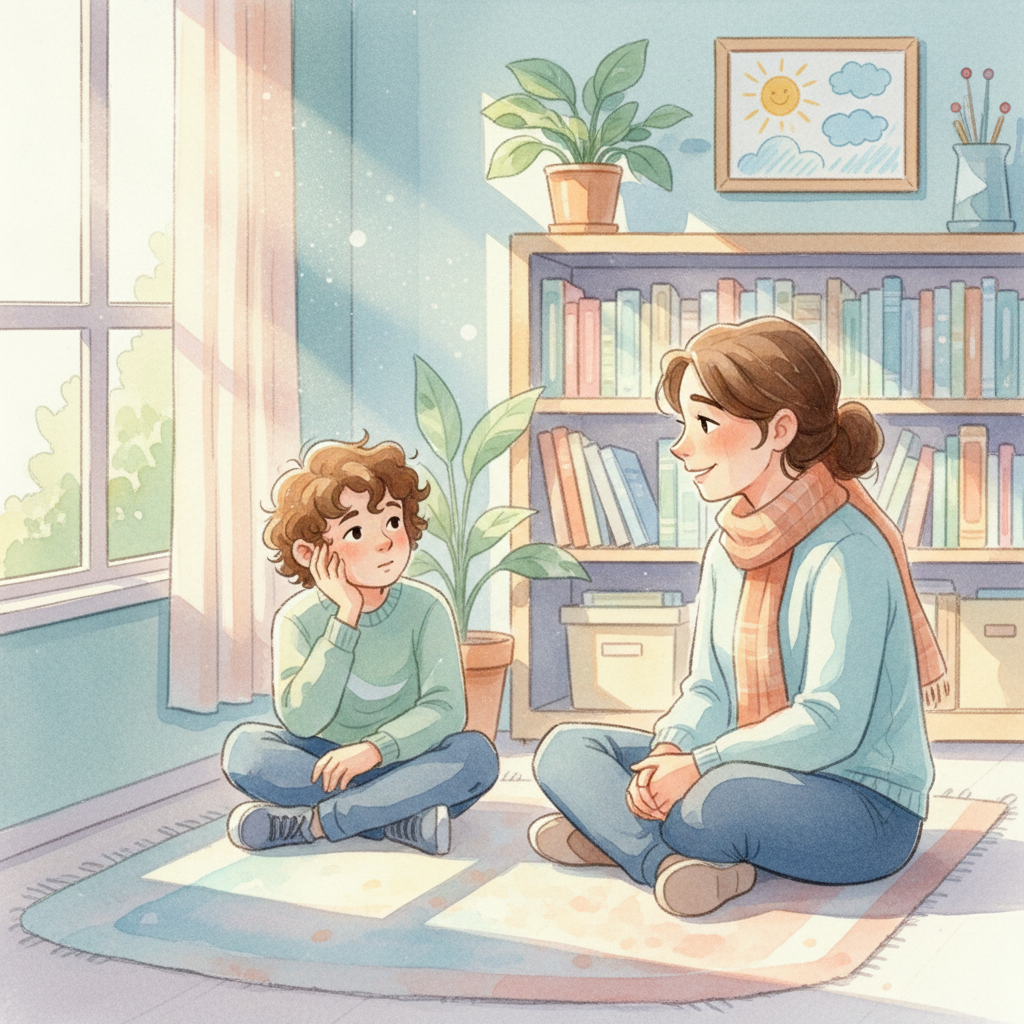
Why Behaviour Is Communication: Understanding What Primary Children Are Really Telling Us
This blog explains that children’s behaviour is often a form of communication rather than deliberate defiance. Primary-aged children frequently express anxiety, overwhelm, sensory needs or social difficulties through actions because they may not yet have the emotional vocabulary to explain what they feel. The article outlines how families, educators and communities can recognise the underlying messages in behaviour by observing patterns, responding with curiosity, validating emotions and creating predictable, emotionally safe environments. It emphasises that early recognition and consistent support across home, school and community settings help children develop healthier ways to express themselves and reduce escalation.
The Rise of Anxiety in Younger Children
Over the past decade, anxiety has become one of the most common wellbeing concerns affecting primary-aged children. Here's how to recognise the signs early and what families, schools, and communities can do to help.
Helping Primary Children build Emotional Vocabulary - Safely, Gently and Together
Children feel deeply long before they can explain what's happening inside them. This guide explores how families, schools, and communities can help primary-aged children develop the language to understand and express their emotions — safely, gently, and together.
How to Support Your Child With GCSE Maths (Foundation): A Parent’s Guide
Supporting a child through GCSE Maths (Foundation) can feel daunting, especially if you don’t feel confident with maths yourself. The good news is that you don’t need to be a maths expert to make a big difference. With the right strategies, tools, and mindset, you can help your child build confidence, reduce stress, and make steady progress. This guide walks you through practical ways to support your child, along with trusted websites and recommended online tuition options.

Friendship Instability in Schools: Understanding the Impact on Young People and How to Support Them
Friendships are central to childhood and adolescence. They shape identity, build confidence, and provide emotional safety. Yet for many young people, friendships are not stable — they shift, fracture, or dissolve as social groups change. Friendship instability is common in school settings, but its emotional and developmental impact is often underestimated. Understanding this issue is essential for families, educators, and anyone supporting young people through the complexities of growing up.

Substance Misuse in Young People: Understanding the Risks and Supporting a Healthier Future
Substance misuse among young people remains a major public health concern. While patterns shift over time, the combination of social pressures, mental health challenges, and increased availability of certain substances has created a complex landscape for children, teenagers, and young adults. Understanding which substances are most concerning today — and how to support young people effectively — is essential for families, educators, and communities.

Anxiety, Depression, and Chronic Stress in Young People: Understanding the Impact and Finding the Way Forward
Anxiety, depression, and chronic stress have become defining challenges for today’s children and young people. Rates have risen significantly over the past decade, and the consequences affect every aspect of life — learning, relationships, physical health, and long term wellbeing. Understanding these issues, and knowing how to respond, is essential for families, educators, and communities.

Eating Disorders
A summary of recognised eating disorders and ways in which we can safeguard children against them.
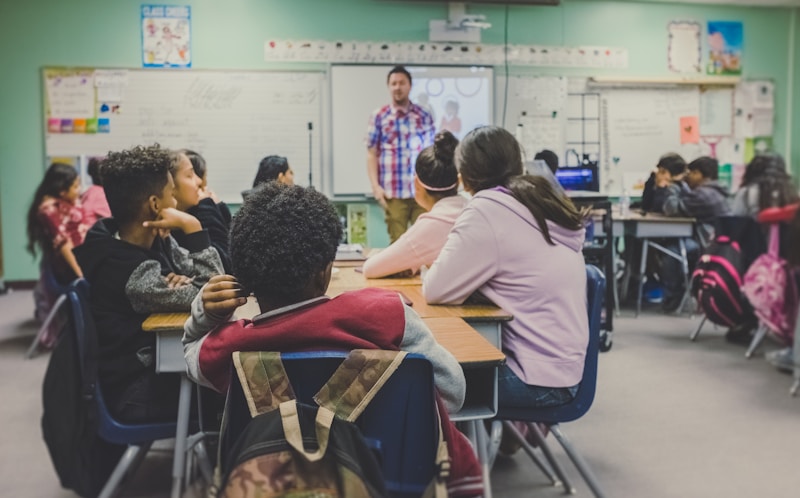
The Hidden Curriculum in Schools
A discussion of the hidden curriculum in schools - both positives and negatives and how schools should audit and address the hidden curriculum in order to be equitable.