
Blog & Articles
Solution-focused insights on education, wellbeing, and life challenges — for parents, carers, educators and other professionals
New: Digital Health series
Practical guides on online safety, screen time and digital wellbeing — for families and schools.
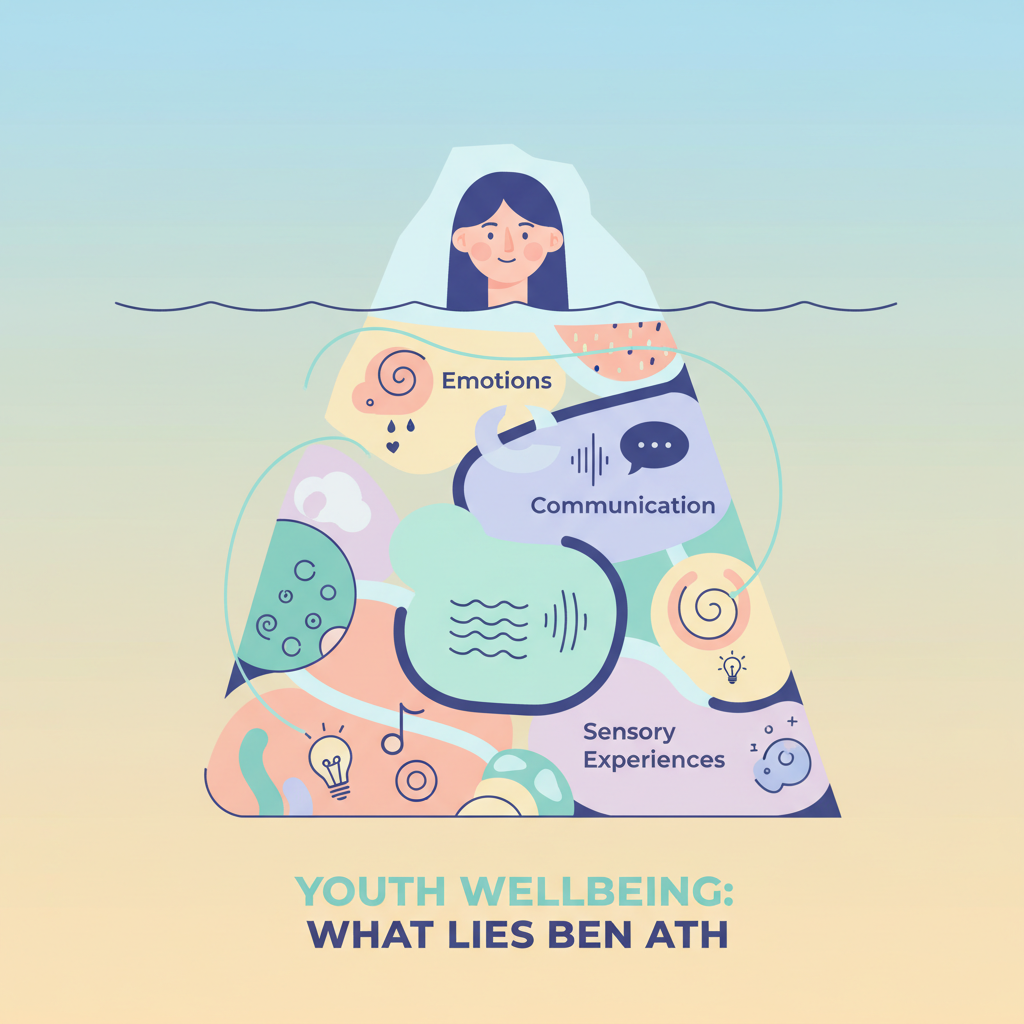
Understanding Behaviour: Looking Beyond What We See
Behaviour is something we notice every day. In school, at home, and in social situations, behaviour is often how we judge what is “going well” or what might need support. But when it comes to young people with special needs, behaviour can sometimes be misunderstood. Rather than asking: “Why is this behaviour happening?” It can be more helpful to ask: “What is this behaviour trying to tell us?” Understanding behaviour in this way is a key step towards supporting young people more effectively.
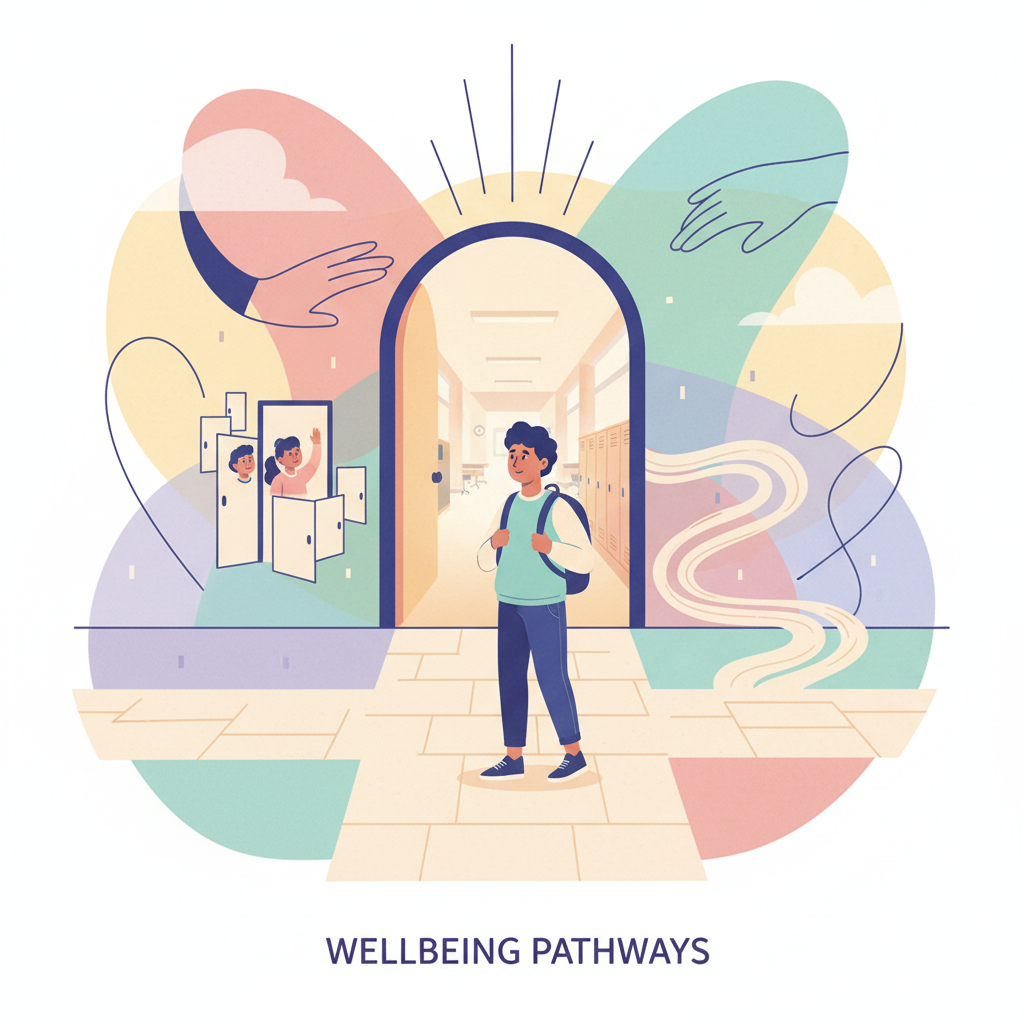
Navigating Transitions: Why Change Can Be Challenging for Young People with Special Needs
Change is a natural part of life. From moving between lessons to starting a new school, transitions happen every day. For many young people, these changes are manageable—even if they are sometimes uncomfortable. But for young people with special needs, transitions can feel much more challenging. Understanding why this happens is key to providing the right support and creating environments where young people can move through change with confidence.
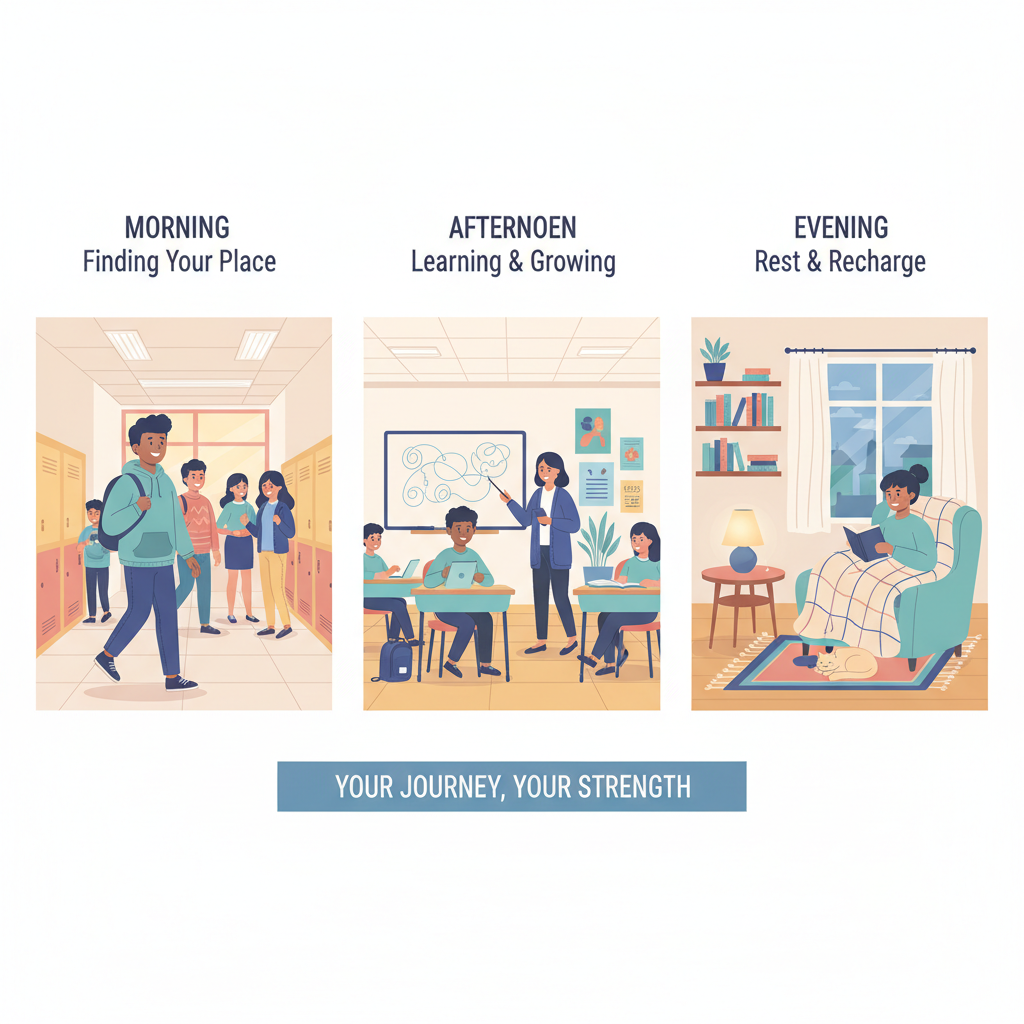
What Does a Typical Day Look Like for a Young Person with Special Needs?
When we think about “a typical day,” we often imagine a routine that feels familiar—waking up, going to school, spending time with friends, and coming home to relax. But for a young person with special needs, a “typical day” can look very different. Not because their life is completely separate, but because everyday environments—school, home, and social spaces—may require more effort, more support, and more adjustment. Understanding what this might feel like is an important step towards empathy, inclusion, and meaningful support.
Advertisement
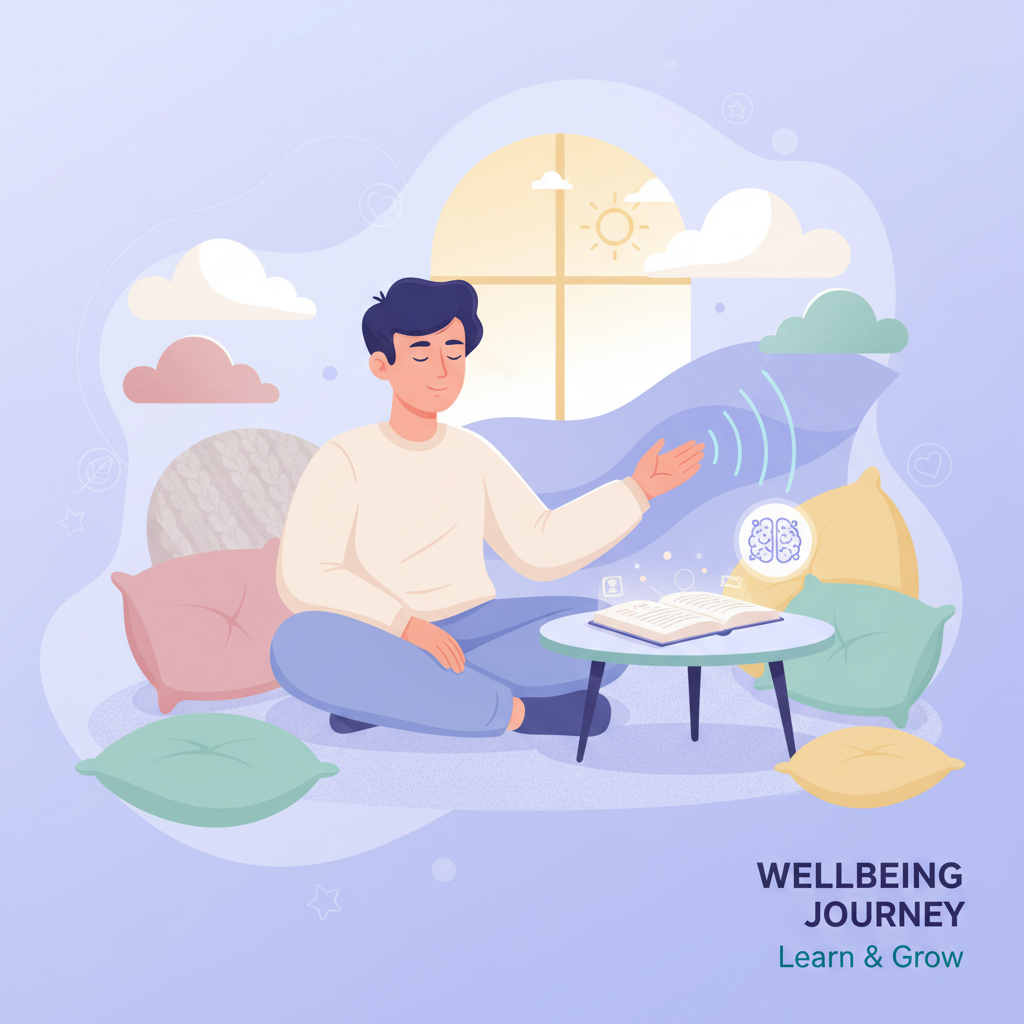
Understanding Sensory Sensitivities in Young People
We all experience the world through our senses. The sound of music, the brightness of lights, the feel of different textures—these are things most people take in and process without thinking. But for some young people, these everyday sensations can feel very different. This is what we mean by sensory sensitivities. Understanding sensory sensitivities is an important step towards building empathy, improving support, and creating environments where all young people can feel comfortable and included.
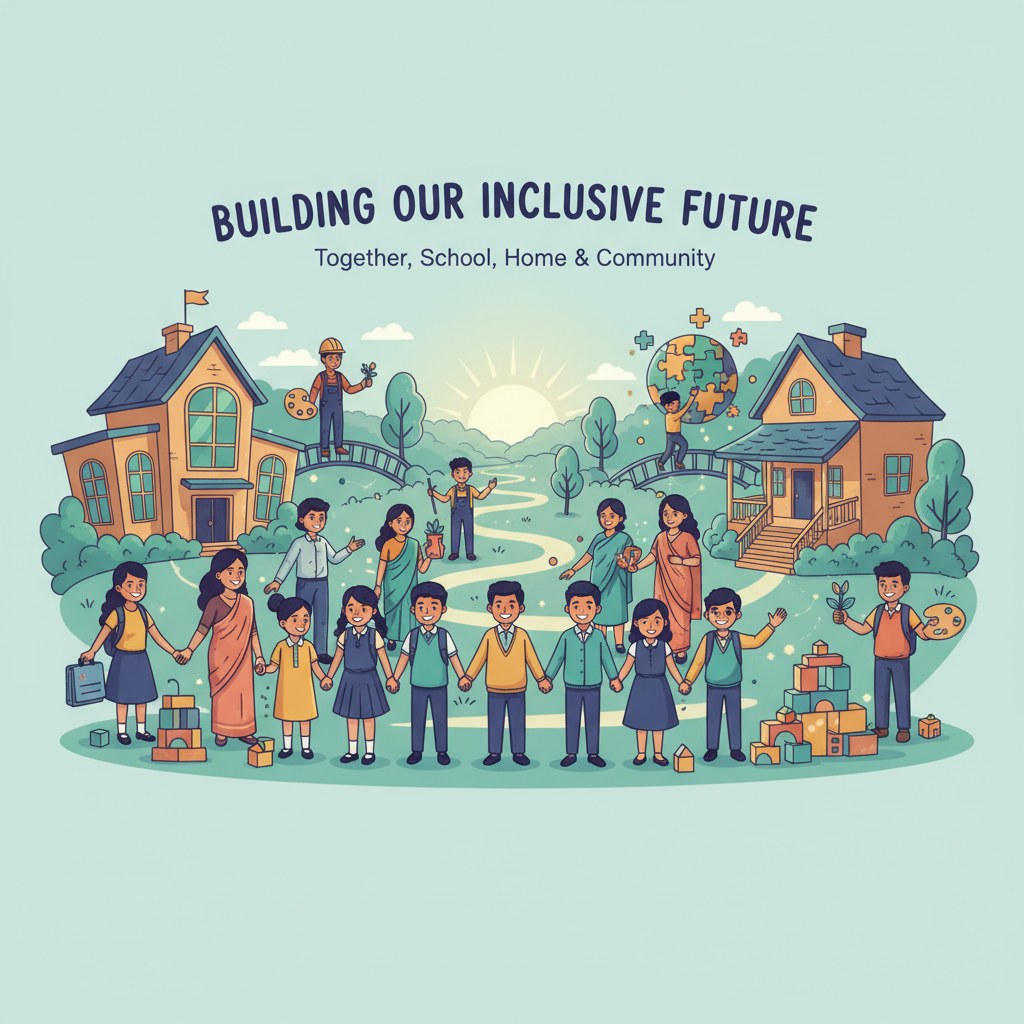
Creating an Inclusive Future: The Role of Young People, Schools, and Society
Throughout this series, we have explored what special needs means, the different types that exist, and the myths that can affect understanding. We have also looked at practical ways to support young people in everyday life. This final blog brings everything together with one key idea: Inclusion is not something that happens automatically—it is something we create. Building an inclusive future requires effort from individuals, schools, families, and wider society. Most importantly, it requires young people themselves to be part of that change.
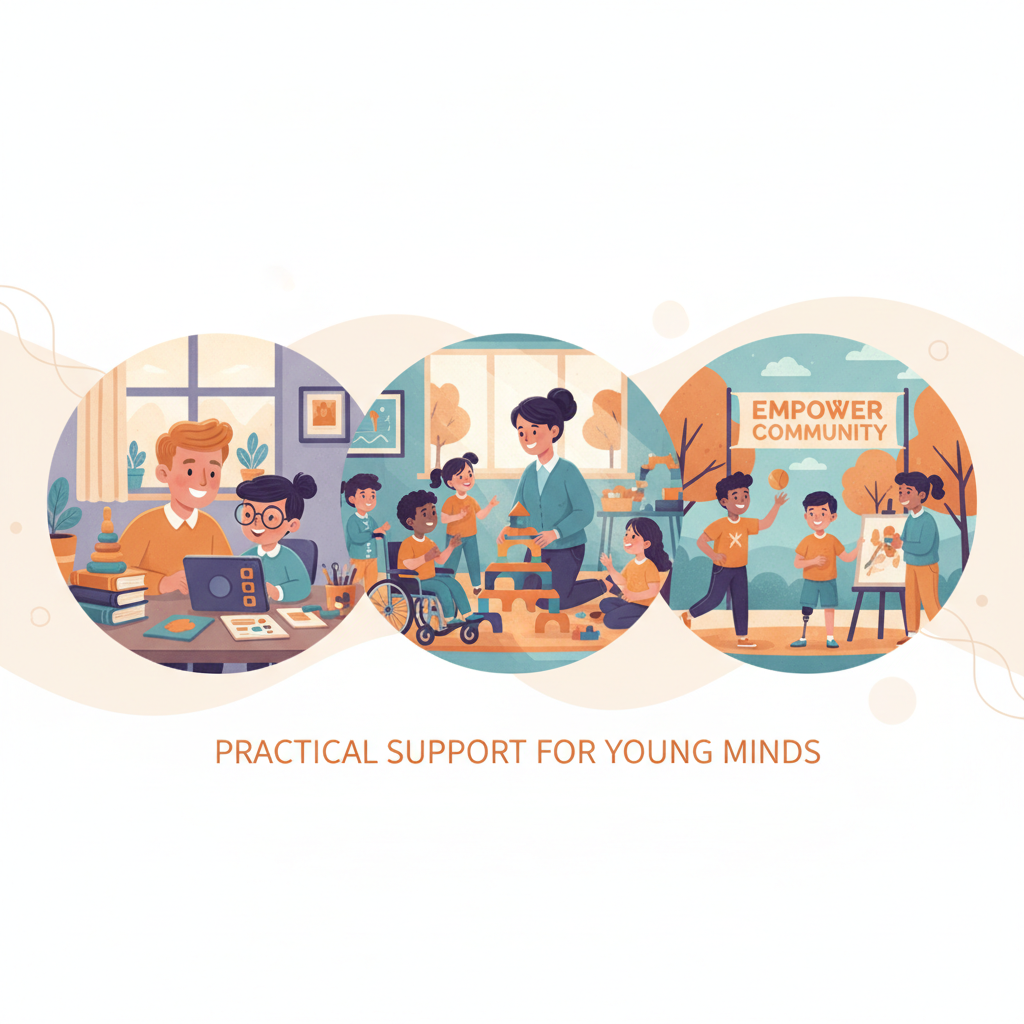
Supporting Young People with Special Needs: Practical Strategies for Everyone
In the previous blogs, we explored what special needs means, the different types that exist, and some of the common myths surrounding them. The next step is to focus on something practical: How can we better support young people with special needs in everyday life? Support is not just the responsibility of one group. It involves families, schools, and communities working together. When this happens effectively, young people are more likely to feel confident, included, and able to reach their potential.
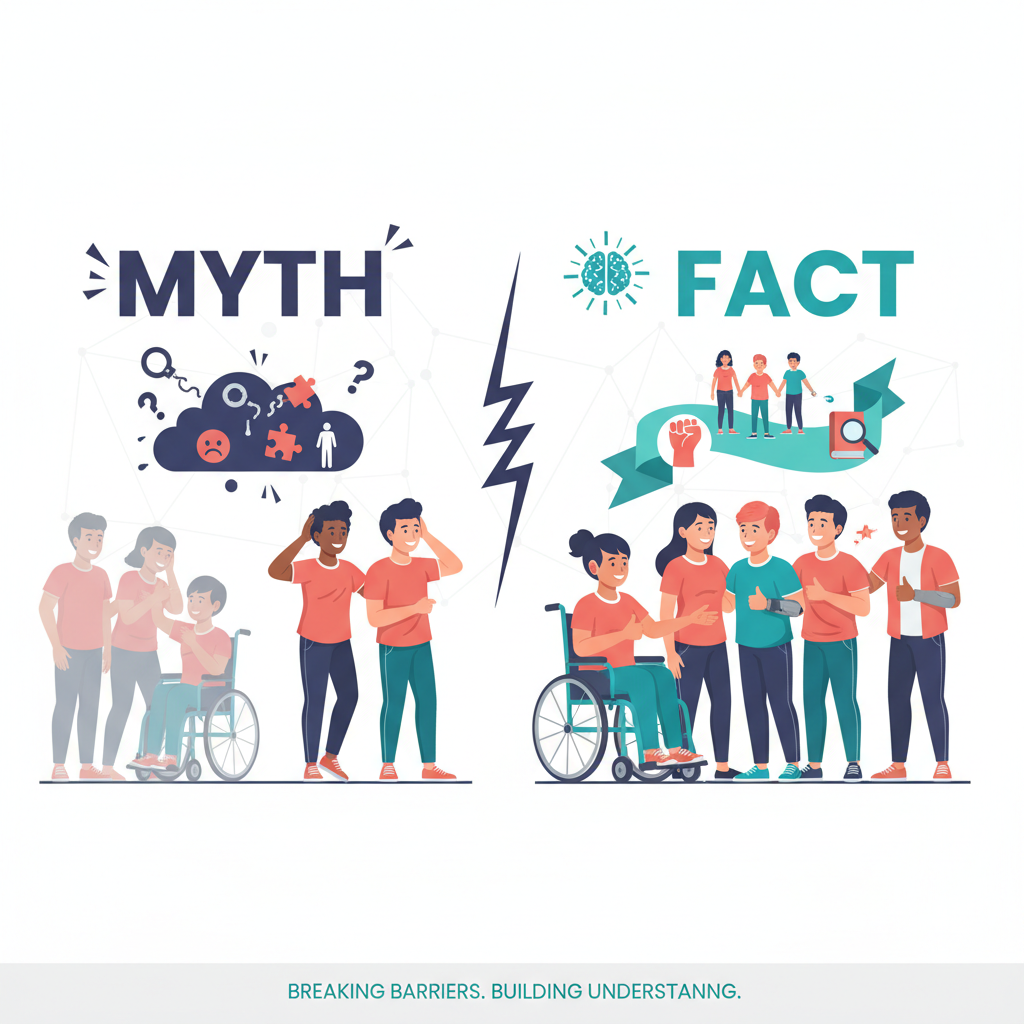
Breaking Myths About Special Needs: What’s True and What’s Not
When talking about special needs, there is still a lot of confusion. Many of the challenges faced by young people with special needs are not caused by their condition itself, but by misunderstandings, assumptions, and stereotypes. These myths can influence how people are treated at school, in friendships, and in everyday life. This blog will explore some of the most common myths—and, importantly, what we can do to challenge them.
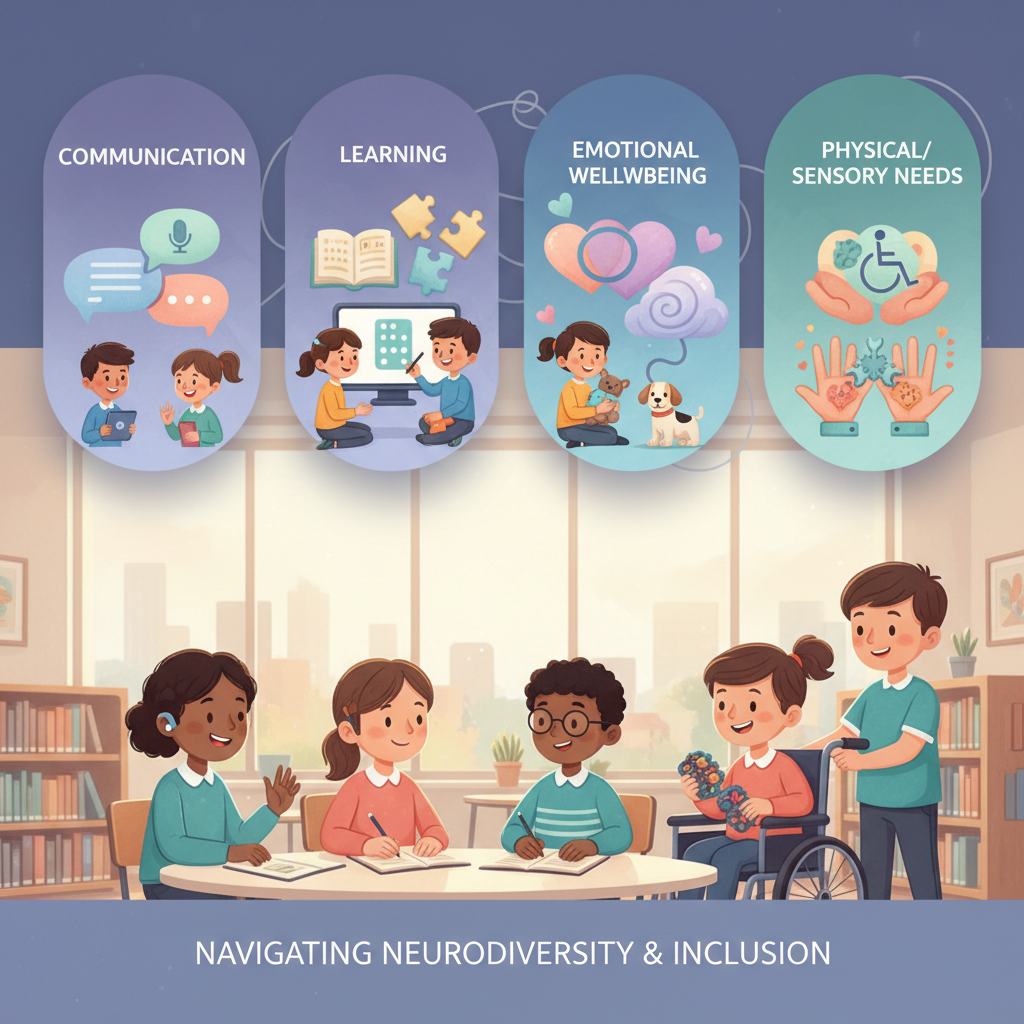
Understanding Different Types of Special Needs
In the previous blog, we explored what the term “special needs” means today and how our understanding is evolving. The next step is to look more closely at what this actually includes. Many people hear the term “special needs” and assume it refers to one specific condition. In reality, it covers a wide range of experiences, and no two individuals are exactly the same. This article introduces some of the most common types of special needs in a clear and accessible way.
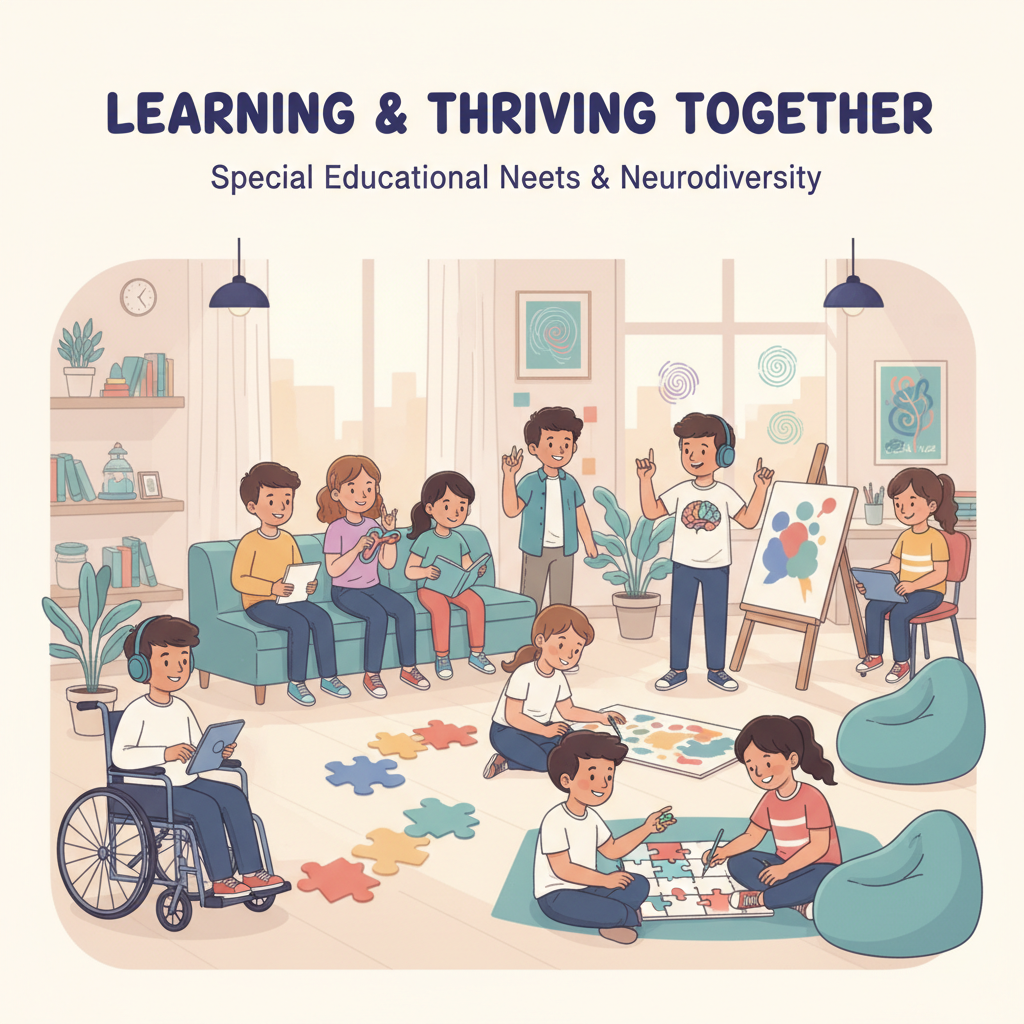
What Does 'Special Needs' Really Mean Today?
When you hear the words “special needs”, what comes to mind? For some, it is a term heard in school or conversations about support. For others, it can feel unclear or even outdated. For many young people, it raises an important question: What does this really mean—and does it still matter? This article explores what the term means today and how our understanding is changing.