
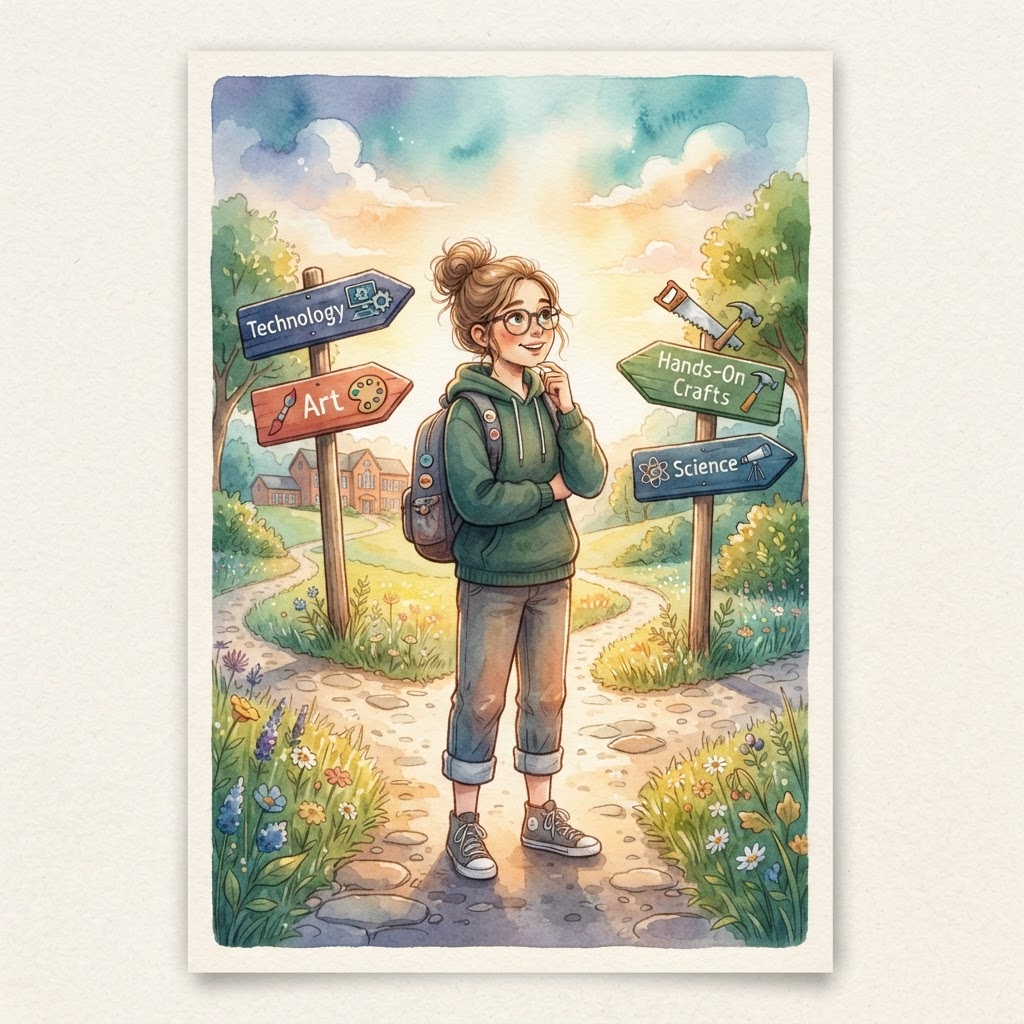
Career Planning for Neurodivergent Students: Finding the Right Path After GCSEs
Youth Thread | Career advice for neurodivergent teens (UK)
The Post-GCSE Transition Is Big — And Neurodivergent Teens Often Benefit from More Personalised Planning
For autistic or ADHD students, the step after GCSEs can feel significant. Not because they lack ability or ambition, but because their strengths, sensory needs, and thinking styles sometimes require a more tailored approach than standard guidance can provide on its own.
School careers teams work incredibly hard within tight timeframes and large caseloads. They are an essential part of the process. But neurodivergent young people often benefit from a joined-up approach, where families, SEN teams, subject teachers, and careers staff work together to build a picture of the environments and pathways that suit the student best.
This article offers a strengths-based framework that complements — rather than replaces — the guidance available in school.
Why a Strengths-Based Approach Matters
Neurodivergent teens often show:
- Deep specialist interests
- Exceptional creativity or pattern recognition
- High focus when intrinsically motivated
- Unique problem-solving approaches
- Strong values-driven thinking
- Sensitivity to environments that can support or overwhelm them
A strengths-first model helps everyone involved — families, careers advisers, and the young person — to make decisions that feel aligned rather than generic.
Step 1: Map Strengths Together
Families can begin exploring strengths at home, and careers staff can help shape these into meaningful pathways.
- Cognitive Strengths — Systems thinking, visual reasoning, creativity, analytical depth, hyperfocus.
- Sensory Profile — Preferred environments, sensory stressors, regulation strategies.
- Interest Patterns — Long-term, meaningful interests often point toward future specialisms.
- Executive Function Profile — Identify contexts where EF strengthens: high-interest tasks, clear routines, project-based work, tech-supported organisation.
Sharing this information with the school's careers team helps them tailor their guidance more precisely.
Step 2: Explore Post-GCSE Pathways Through a Neurodivergent Lens
Careers advisers can support families in comparing routes such as:
- A-Levels — Ideal for students who enjoy academic depth and subject immersion.
- Vocational Courses (BTECs, T Levels) — Structured, hands-on learning that suits many autistic or ADHD teens.
- Apprenticeships — Real-world context, routine, and learning-by-doing.
- Specialist Colleges — Designed around sensory needs and personalised support.
- Portfolio or Project-Based Routes — Perfect for creatives, coders, designers, writers, makers.
Working collaboratively ensures the chosen route aligns with both strengths and support needs.
Step 3: Match Strengths to Career Families
Careers staff can help translate strengths into potential career clusters:
- Analytical & Technical — Data, cybersecurity, engineering, software, research.
- Creative & Design — Graphic design, animation, writing, game design, music production.
- Hands-On & Practical — Carpentry, mechanics, animal care, horticulture, lab tech roles.
- Values-Driven — Youth work, education, environmental roles, advocacy.
These clusters are starting points for discussion, not fixed pathways.
Step 4: Build a "Career Environment Profile"
Families and careers advisers can work together to identify the environments where the student thrives.
Consider:
- Sensory conditions
- Pace
- Social load
- Structure level
- Autonomy
- Communication preferences
This profile helps careers staff recommend courses, workplaces, and next steps that genuinely fit.
Step 5: Support Self-Advocacy
Careers teams can play a key role in helping neurodivergent teens learn to:
- Describe their strengths
- Explain their sensory needs
- Request adjustments confidently
- Identify supportive environments
- Recognise red flags
Self-advocacy is a shared skill-building process — not something families must do alone.
Working Together With School Careers Staff
A collaborative approach works best. Families can:
- Share strengths profiles or sensory information with careers advisers
- Attend meetings together where possible
- Ask for guidance on specific pathways or environments
- Request additional conversations if the student needs more time
- Combine careers advice with SEN input for a fuller picture
Careers teams bring expertise in pathways, qualifications, and labour market trends. Families bring deep knowledge of the young person's strengths and needs. Together, they create a more accurate and empowering plan.
The Big Message
Neurodivergent teens don't need "different" career advice — they need joined-up, strengths-led guidance that honours how they think and what they love.
When families and careers staff work together, pathways become clearer, confidence grows, and young people can make choices that genuinely fit who they are.
This is the kind of career planning that supports long-term fulfilment. This is the kind of partnership that makes a difference.