
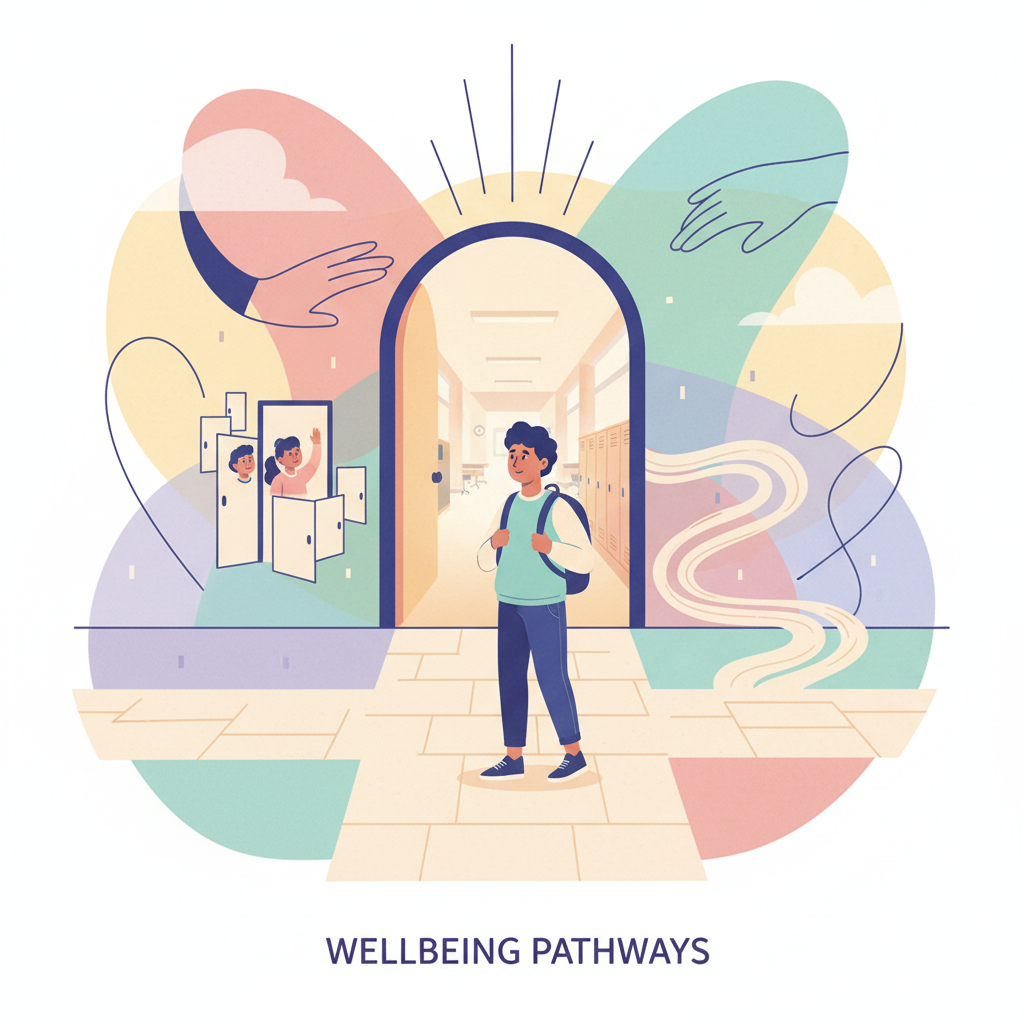
Navigating Transitions: Why Change Can Be Challenging for Young People with Special Needs
Understanding why change can be hard — and how to make transitions smoother for young people with special needs
Change is a natural part of life.
From moving between lessons to starting a new school, transitions happen every day. For many young people, these changes are manageable — even if they are sometimes uncomfortable.
But for young people with special needs, transitions can feel much more challenging.
Understanding why this happens is key to providing the right support and creating environments where young people can move through change with confidence.
What Do We Mean by "Transitions"?
Transitions are any changes from one situation to another.
These can include:
- Moving between lessons during the day
- Changing classrooms or teachers
- Finishing one activity and starting another
- Moving to a new school or year group
- Changes at home or in daily routines
While some transitions are planned, others are unexpected — and it is often the unpredictability that can make them more difficult.
Why Can Transitions Feel Difficult?
For many young people with special needs, transitions are not just small adjustments — they can involve significant mental and emotional effort.
1. Loss of Predictability
Many young people rely on routine to feel safe and in control.
When something changes, it can create uncertainty:
- What is going to happen next?
- Who will be there?
- What am I expected to do?
Without clear answers, anxiety can increase and make it harder to manage the situation.
2. Increased Anxiety and Emotional Overload
Changes — especially unexpected ones — can lead to heightened anxiety.
This may result in:
- Distress or frustration
- Withdrawal or refusal
- Emotional outbursts
These responses are not about behaviour — they are often linked to feeling overwhelmed by uncertainty and change.
3. Executive Functioning Challenges
Transitions require skills such as:
- Planning
- Shifting attention
- Organising thoughts
- Adapting to new situations
For some young people, these "executive functioning" skills can be more difficult to manage, meaning that switching from one activity to another requires extra effort.
4. Sensory and Environmental Changes
Transitions often involve new environments, which may include:
- Different sounds, lighting, or layouts
- Crowded spaces or unexpected noise
- New routines or unfamiliar expectations
For young people with sensory sensitivities, this can make transitions even more overwhelming.
5. Emotional Attachment to Routine or Activity
Sometimes the challenge is not just the new activity — but leaving the current one.
Young people may:
- Feel deeply focused on what they are doing
- Need more time to process stopping
- Experience frustration when asked to move on quickly
Transitions require not just starting something new, but also ending something familiar.
How Transitions Can Impact Young People
Without the right support, difficult transitions can affect:
- Emotional wellbeing
- Confidence and self-esteem
- Engagement with learning
- Social interactions
Research shows that periods of transition — such as moving schools or changing year groups — can lead to increased stress, reduced wellbeing, and challenges in adapting to new environments.
However, with effective support, transitions can also become opportunities for growth, independence, and confidence-building.
Practical Strategies to Support Transitions
Supporting transitions is about making change more predictable, manageable, and supported.
For Parents and Carers
1. Prepare in advance
- Talk about upcoming changes early
- Use simple explanations and repeat information
2. Use visual supports
- Calendars, schedules, or visual timetables
- Countdowns to important changes
3. Maintain routines where possible
- Keep familiar parts of the day consistent
- Use routines as a steady anchor during change
4. Validate emotions
- Acknowledge that change can feel difficult
- Provide reassurance and support
For Schools
1. Plan transitions carefully
- Provide clear information about changes
- Allow time for preparation and adjustment
2. Use structured supports
- Visual timetables or "first–then" systems
- Clear and consistent instructions
3. Support gradual change
- Introduce new environments or routines in stages
- Use phased transitions where possible
4. Encourage communication
- Share information between staff, parents, and students
- Ensure everyone understands the young person's needs
For Everyday Situations
1. Give advance warnings
- Let young people know before a change happens
- Use timers or reminders
2. Break transitions into steps
- Make change feel more manageable
- Focus on one step at a time
3. Provide choice where possible
- Allow some control within the change
- Offer options to reduce anxiety
4. Recognise effort
- Transitions may require significant energy
- Acknowledge and celebrate success
Reframing Transitions
It is important to shift how we think about transitions.
Instead of asking: "Why is this difficult?"
We can ask: "What support is needed to make this easier?"
When transitions are supported effectively, young people can:
- Build confidence
- Develop independence
- Learn to manage change over time
Final Reflection
Transitions are a normal part of life — but they are not experienced equally by everyone.
For young people with special needs, transitions can involve uncertainty, sensory challenges, and significant emotional effort.
By understanding these experiences and adapting our approach, we can:
- Reduce stress and anxiety
- Improve wellbeing
- Create more supportive environments
With the right support, transitions can shift from being barriers — to becoming opportunities for growth and success.
References
- National Autistic Society (2026). Starting or Switching School: Transition Support
- Coram Family Lives (2025). Managing Change and Transitions in Neurodivergent Children
- Norwich, B. (2020). Transitions for Students with Special Educational Needs: Implications for Inclusion Policy and Practice
- AERO (2023). Transitions to School for Children with Disability or Developmental Delay
- Bagnall, C. (2023). Supporting Vulnerable Children Over School Transitions (University of Manchester)
- Baric, V. et al. (2026). Development of a Practical Guide to Facilitate Smooth Transitions in Students with SEN (European Journal of Special Needs Education)
- Autism Research Institute (2025). Transition Challenges and Support for Individuals with Autism