
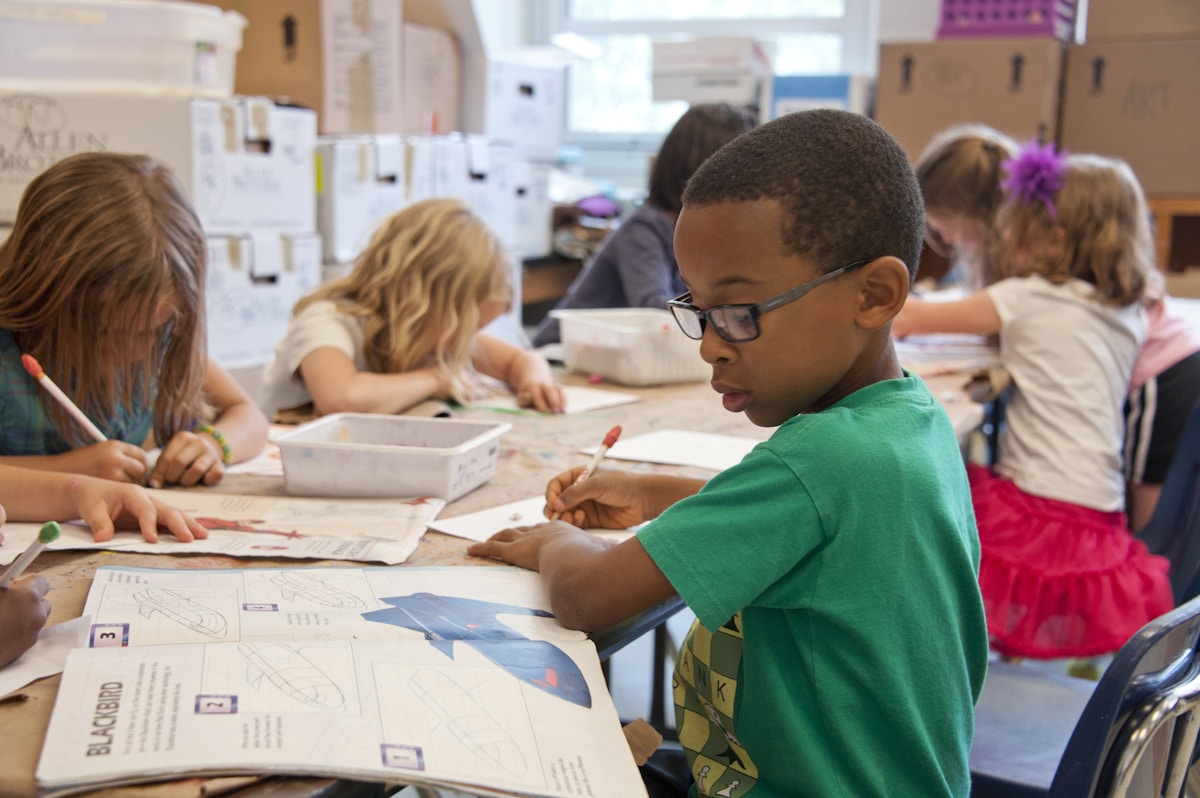
The Rise of Anxiety in Younger Children
The Rise of Anxiety in Younger Children: How We Can Prevent It and How to Spot It Early
Over the past decade, anxiety has become one of the most common wellbeing concerns affecting primary-aged children. Teachers, parents, and community workers are noticing younger children struggling with worries, physical symptoms, and avoidance behaviours that were once more typical of older age groups.
This rise is not a sign of children becoming less resilient. It reflects a changing world, increasing pressures, and environments that sometimes move faster than children can process.
Understanding why anxiety is increasing, how to recognise it early, and what adults can do to prevent it is essential for supporting children's long-term wellbeing.
Why Anxiety Is Increasing in Younger Children
There is no single cause. Instead, several factors interact to create a landscape where anxiety can grow more easily.
1. Post-pandemic social and developmental gaps
Many children missed key early social experiences. Some entered school with limited peer interaction, reduced independence, and heightened attachment needs.
2. Academic pressure creeping into early years
Younger children are facing more structured learning earlier than previous generations. For some, this creates a mismatch between developmental readiness and expectations.
3. Increased exposure to adult stress
Children absorb family stress, including financial pressures, health concerns, and general uncertainty. Even when adults do not explicitly share worries, children often sense them.
4. Reduced play and outdoor time
Free play is a natural regulator. When children have fewer opportunities to explore, move, and take manageable risks, anxiety can increase.
5. Digital exposure
Even without direct access to social media, many primary children overhear or observe content from older siblings or adults. News, online conflict, and overstimulation can all contribute to worry.
How Anxiety Shows Up in Primary-Age Children
Children rarely say "I feel anxious". Instead, anxiety appears through behaviour, physical symptoms, or changes in daily functioning.
Common signs include:
- Frequent tummy aches or headaches with no medical cause
- Difficulty separating from parents or caregivers
- Irritability, anger, or emotional outbursts
- Avoidance of school, clubs, or specific situations
- Perfectionism or fear of making mistakes
- Trouble sleeping or nightmares
- Withdrawal from friends or activities
- Excessive reassurance-seeking
- Becoming unusually quiet or compliant
These signs are not always anxiety, but they are indicators that a child may be struggling.
How Families Can Help Prevent Anxiety
Families play a crucial role in shaping children's emotional foundations. Prevention does not mean eliminating all stress — it means helping children develop the tools to navigate it.
1. Create predictable routines
Consistency helps children feel safe. Morning, after-school, and bedtime routines reduce uncertainty and support regulation.
2. Model calm emotional expression
Children learn how to respond to stress by watching adults. Naming your own feelings in simple, contained ways helps children understand that emotions are manageable.
3. Encourage problem-solving rather than avoidance
Avoidance temporarily reduces anxiety but strengthens it long-term. Support children to face small challenges with guidance and encouragement.
4. Prioritise play and downtime
Unstructured play supports emotional resilience. It allows children to process experiences, build confidence, and practise social skills.
5. Keep communication open
Gentle, non-pressured conversations help children share worries. Questions like "What was tricky today?" or "Did anything feel uncomfortable?" invite reflection without interrogation.
How Educators Can Help Prevent and Identify Anxiety
Schools are often the first place where anxiety becomes visible. Educators can make a significant difference through early recognition and supportive environments.
1. Build emotionally safe classrooms
Children need to know that mistakes are part of learning. Reducing public comparisons, behaviour charts, and high-pressure tasks can lower anxiety.
2. Use soft starts and flexible transitions
The beginning of the day is a common anxiety trigger. Calm entry routines, quiet activities, and familiar adults at the door can reduce stress.
3. Notice subtle signs
A child who becomes unusually quiet, clingy, or perfectionistic may be signalling anxiety. Early conversations can prevent escalation.
4. Teach emotional literacy
Helping children name and understand feelings reduces fear of the unknown. Embedding emotional vocabulary across the curriculum supports this.
5. Work collaboratively with families
Sharing observations, strategies, and language helps create consistency between home and school.
How Communities Can Support Children's Wellbeing
Children move through many environments beyond home and school. Community spaces can either buffer anxiety or unintentionally increase it.
1. Create welcoming, inclusive spaces
Libraries, clubs, sports teams, and faith groups can provide belonging and predictability — both of which protect against anxiety.
2. Train volunteers and leaders
Adults who work with children benefit from understanding early signs of anxiety and how to respond calmly and appropriately.
3. Promote connection and social opportunities
Mixed-age play, community events, and safe social spaces help children build confidence and resilience.
4. Avoid minimising children's feelings
Phrases like "Don't worry" or "You're fine" can shut down communication. Instead, adults can acknowledge feelings and offer support.
Early Intervention Matters
Anxiety is highly treatable, especially when recognised early. The goal is not to eliminate all worry but to help children understand and manage it. When families, educators, and communities work together, children learn that they are supported, capable, and not alone.
References
- Education Endowment Foundation (EEF). (2021). Improving Social and Emotional Learning in Primary Schools.
- Public Health England. (2021). Promoting Children and Young People's Emotional Health and Wellbeing.
- NHS Digital. (2023). Mental Health of Children and Young People in England.
- Weare, K. (2015). What Works in Promoting Social and Emotional Wellbeing in Schools. National Children's Bureau.
- Siegel, D. J., & Bryson, T. P. (2011). The Whole-Brain Child. Delacorte Press.
- National Institute for Health and Care Excellence (NICE). (2013). Social and Emotional Wellbeing for Children and Young People.